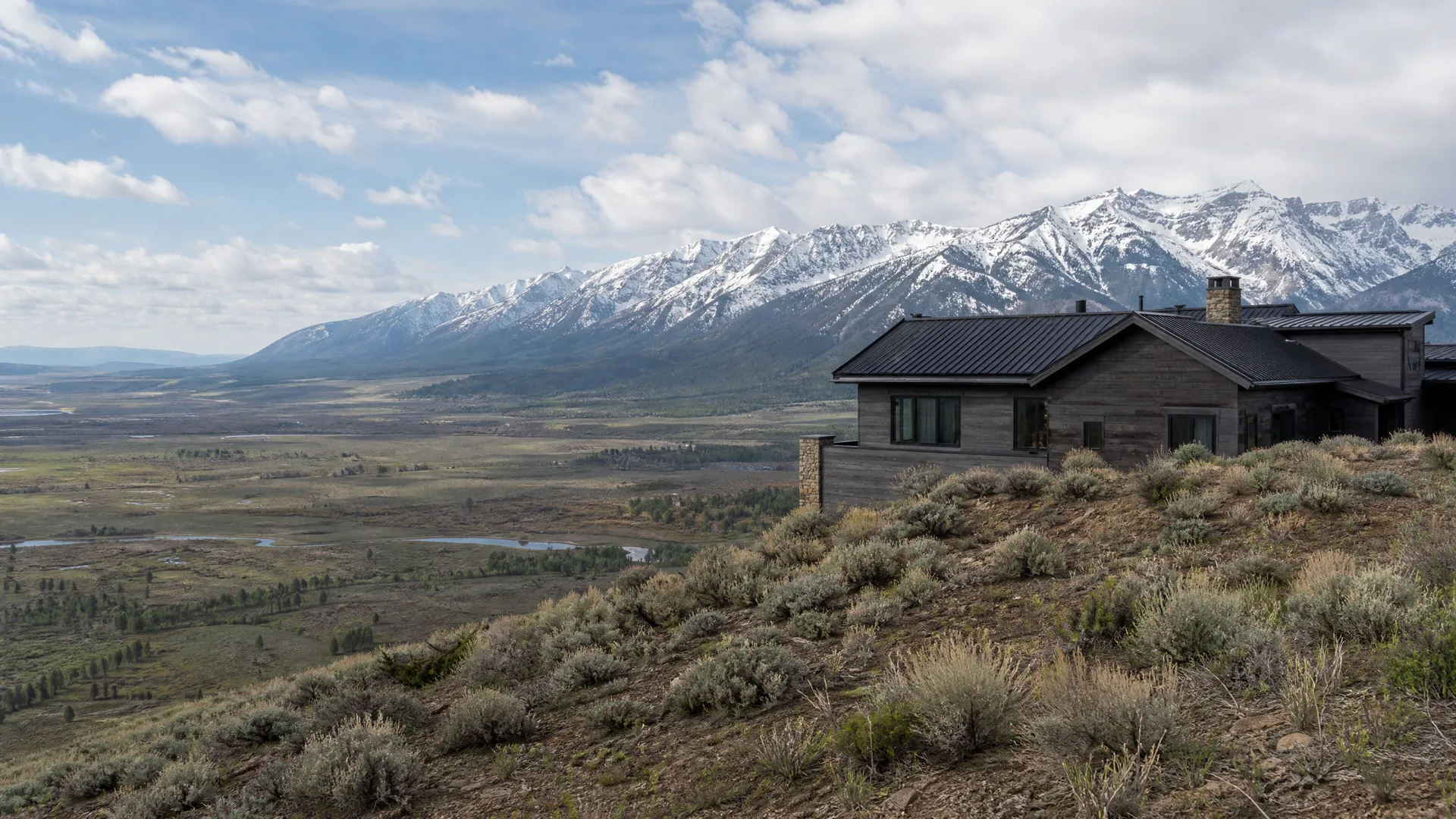
A local installer who puts in heat pumps gets your project.
A heat pump in a Montana winter has to work harder than it does anywhere warm, and below a certain outdoor temperature it loses ground. Most homes around here heat with gas, so the question of whether a heat pump can carry the whole job on its own, or needs backup, matters before the snow flies, not after.
Power here is cheap, which changes the math on backup heat. A heat pump paired with electric resistance coils, or one set up to work alongside an existing gas furnace, can end up costing less to run through January than people expect, even with Montana's cold. Whether that holds for your house depends on the unit, the ductwork, and how your gas furnace is tied in now, if you have one.
That's not something to guess at from a search result. It depends on your specific setup, your home, and what's already installed. A contractor who works on heat pumps in this climate can look at what you have and tell you straight whether it'll keep up on its own or needs help from a furnace or coils, and size a system that matches your actual house instead of a rule of thumb.
Finding that contractor is usually the slow part. Calling around, explaining your furnace and your ductwork to each one, waiting on quotes, trying to compare bids that aren't quite answering the same question. That work goes away here. Tell the page what you have and what you're deciding between, and a contractor who installs heat pumps in Montana winters gets matched to your situation and reaches out to you directly.
Summers are hot and dry here too, so whatever gets installed is working year round, not just carrying you through the cold months. That's one more reason the sizing and setup matter more than they would somewhere with an easier climate in both directions.
What you get next is a conversation with someone who already knows what a Montana winter asks of this equipment, not another form to fill out.
Can a heat pump keep up in a Montana winter?
Winters here get cold enough, for long enough, that a heat pump alone starts to lose the fight against the house. You've got one, and you want to know if it can actually hold the line through January or if you're going to end up with a cold house and a system running nonstop and still falling behind. The hero already named the issue: there's a temperature where a heat pump stops keeping up. What matters to you is what that means for your house, this winter.
Not on its own, once it gets cold enough
A heat pump moves heat from outside air into your house, and the colder that air gets, the less heat there is to move. Below a certain outdoor temperature, the unit can't pull in enough to match what the house is losing, even running flat out. Most homes in Montana heat with gas, and that furnace is what takes over when the heat pump can't keep the house warm by itself. With power cheap here, running the heat pump for as much of the winter as it can handle still makes sense. The furnace is there for the stretch where the heat pump physically can't do the job, not as a backup for a broken system.
Running the way it should
A heat pump pulls heat from outside air even when it's cold, and down to a point it keeps the house warm without strain. The outdoor unit stays clear, the coil fins stay clean, and the lines run straight to the wall without obstruction.
Losing ground
Dirty coil fins and leaves packed against the base cut off the airflow the unit needs to pull heat from outside air. Once that airflow is choked, the heat pump works harder for less heat, and a cold snap finds the weak point fast.
Why does your heat pump run nonstop and the house still feel cold
You hear the outdoor unit running most of the time instead of cycling on and off. The air coming out of the vents feels cool, not warm, even though the system is working. Some rooms stay noticeably colder than others, and the thermostat might show the house a few degrees under what you set it to. Frost or ice builds up on the outdoor unit and stays there. If this goes on through the coldest weeks, the backup heat is likely carrying more of the load than it should, and your power bill will show it. Left alone through a full winter, a system straining like this puts more wear on the compressor than it would running the way it's supposed to.
You walk out to the side yard in April, the last patches of snow gone from the fence line, and stop by the outdoor unit. Rust has worked along the base of the cabinet, flaking where the paint has worn through from a winter of snow piled against it. The fan sits still in the afternoon sun. You crouch down and press a thumb to the metal, feeling how soft it's gotten near the bottom seam. It made it through another Montana winter, but you find yourself wondering how many more it has in it, and whether it's still pulling its share now that the gas furnace is quiet for the season.
A heat pump installed to size for Montana winters is a different thing from one that's struggling through them. The right equipment, sized for your house and backed up the way a cold climate requires, can carry a lot more of the job than people here expect, often with gas held in reserve for the hardest stretches. Figuring out what that setup should look like for your house takes someone who's installed systems in this kind of cold before, not a guess. Finding that person yourself means sorting through contractors, explaining your situation on call after call, and weighing quotes that aren't built the same way. You've already got a heat pump and a winter that's testing it. What's left is getting the right read on whether it's sized and set up for what Montana asks of it, and that's a conversation worth having before the next cold stretch, not during it.
What a cold climate heat pump adds
A standard heat pump loses capacity as the outdoor temperature drops, and by the time it's in the teens or lower it may be putting out only a fraction of what it does at 47 degrees. Cold climate models use a different compressor, one built to keep pulling heat from the air well below zero, and they hold their output much further down the thermometer. That's the difference between a system that fades out in January and one that keeps pace with the house.
Why the backup heat matters
Below a certain point, even a cold climate heat pump needs help, and that's where a furnace or electric strip heat takes over part of the load. How that switchover is set up decides whether the house stays warm or the system just runs longer for less heat. A thermostat and controls matched to the equipment will bring in backup heat at the right outdoor temperature, not too early and not too late. Sized and set up wrong, the backup either barely helps or runs far more than it needs to.
A heat pump moves heat by compressing refrigerant, and the compressor has to work harder to pull warmth out of cold air than out of mild air. Below about 25 to 30 degrees, a standard compressor starts to lose capacity, and the system leans on a backup source, usually electric resistance strips, to make up the difference. Those strips don't move heat, they make it directly, the same way a space heater does, and that's a different cost than running the compressor alone. A cold climate heat pump uses a compressor built to vary its speed, so instead of switching on and off at full output, it ramps up and keeps pulling heat efficiently well below zero. That's the difference between a unit that needs its backup heat running for hours at a stretch and one that calls on it only on the coldest nights. The outdoor unit also needs clearance on all sides so the coil can pull in air and the defrost cycle can shed ice without being blocked by snow pack.
Summers here run dry. The dew point across Montana averages 44°F in June, July and August, which is low enough that the air rarely feels heavy even on a hot afternoon. For your heat pump, that matters more in cooling mode than people expect. With so little moisture in the air, the system spends most of its effort moving heat rather than wringing water out of it, so it doesn't have to run as long to pull a room down to temperature. The same unit carrying your winter heat has an easier summer than it would in a muggier state, and that's worth knowing when you're sizing a replacement.
NASA POWER T2MDEW county cells weighted by homes
Before you get your heat pump installationAfter you get your heat pump installation
Size the heat pump for the gas furnace it's backing up, and the two can split the work by temperature instead of fighting each other.
Size it to carry the house alone through a Montana January, and you're paying for capacity that sits unused most of the winter while gas stays the cheaper runner.
Power costs 12.99 cents per kilowatt-hour statewide
Power in Montana runs 12.99 cents per kilowatt-hour, cheap next to most of the country. That matters when a heat pump leans on its backup heat strips during the coldest stretches, since those draw a lot of power to make up what the compressor can't. A rate this low keeps that backup from costing what it would elsewhere.
EIA-861 2025 statewide residential average
Where that leaves your system
A heat pump sized and backed up for your house can carry a Montana winter, but a standard one sized wrong will lose the fight below freezing.
Below about 25 to 30 degrees a standard compressor loses capacity, which is why so many Montana homes pair a heat pump with a gas furnace instead of running it alone.
Cold climate equipment changes that math, holding output much further down the temperature scale than a standard unit will.
The outdoor unit, the coil, and the line set all have to be clear and intact for the system to perform anywhere near what it's rated for.
Cheap power in Montana takes some of the sting out of backup heat strips, but it doesn't fix a system that's undersized for the job.
Whether your setup can hold the line through January comes down to sizing, backup, and condition, not luck.
A heat pump isn't a bad choice for a Montana winter, but it isn't a guarantee either. Everything comes down to three things: whether the equipment was sized for your house, whether it has the backup to carry the hours when the compressor can't keep up, and whether the outdoor unit and lines are in the condition they need to be to hit their rated output. Get those three right and the system holds its own through January. Get any one of them wrong and you end up with the house running cold, the unit running nonstop, or a utility bill that doesn't match what you were told to expect.
Figuring out which of those is true for your setup usually means getting someone out to actually look at the equipment, the ductwork, and how the house loses heat, rather than guessing from the outside. That's the part that takes the time, calling around for quotes, explaining the same situation to three or four contractors, trying to sort out who actually works on cold climate systems versus who's just willing to take the job. You don't have to do that part. Answer a few questions about your house and your system, and a contractor who installs and sizes heat pumps for Montana winters gets matched to you and reaches out directly. What you do with that conversation, whether it's a fix, a backup system, or a full resize, is yours to decide. But you'll be talking to someone who already knows the climate instead of starting from scratch.