Tell us about the job
Takes about a minute. No obligation.
A heat pump running a long heating season earns its failures in the refrigerant circuit and at the reversing valve, not in the electrical panel. Homes in Wheatland County, MT run heat about ten months a year, from September through June. Outdoor temperatures that drop well below the range where a heat pump moves heat efficiently force the compressor to work harder and cycle more often than it would in a milder climate, and that strain accumulates in the components a contractor opens first. When a repair call comes in, a contractor checks refrigerant charge, valve function, and whether the back-up heat source has been carrying more load than the homeowner realized.
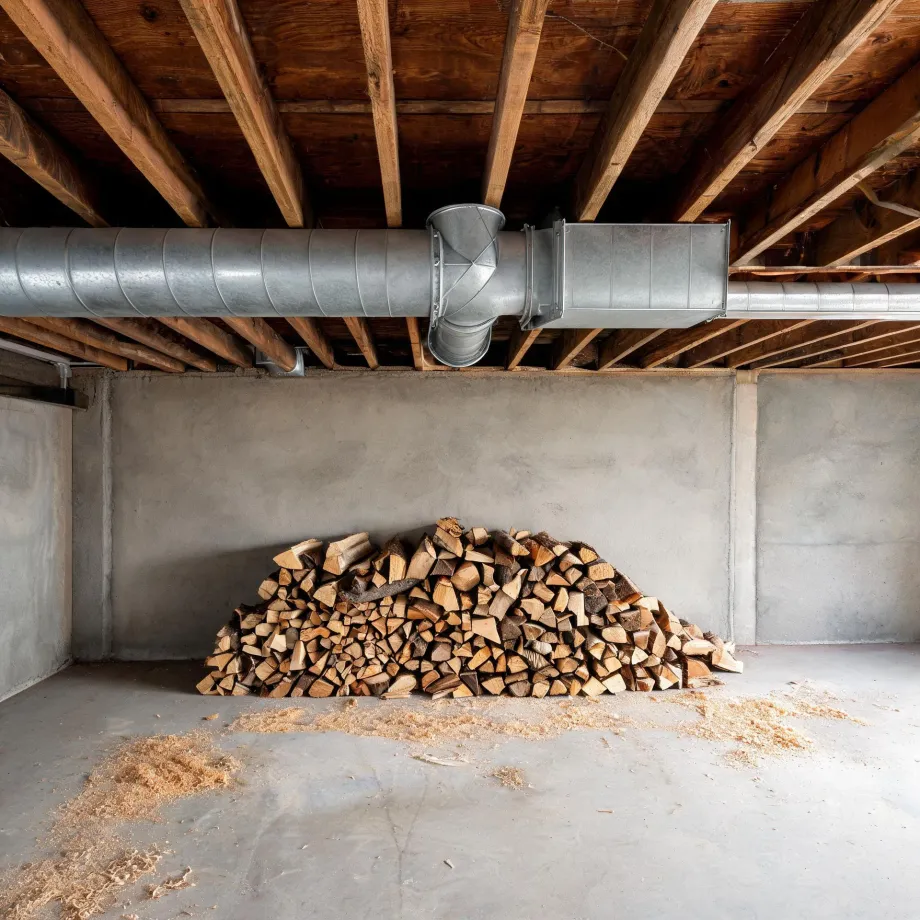
Ductwork in a house this old has usually served more than one heating system, and each changeover leaves something behind: a sealed-off branch, a patched run, a section that no longer moves air the way the equipment expects. Half the homes in Wheatland County, Montana were built in 1958 or earlier (2020-2024 ACS 5-year). A contractor opening a heat pump for a repair in Wheatland County often finds that what the system is fighting is not a failed component but a duct path that bleeds off pressure before it reaches the living space. That distinction changes what gets replaced and what gets quoted.
The Parts of a Heat Pump a Contractor Checks During Repair
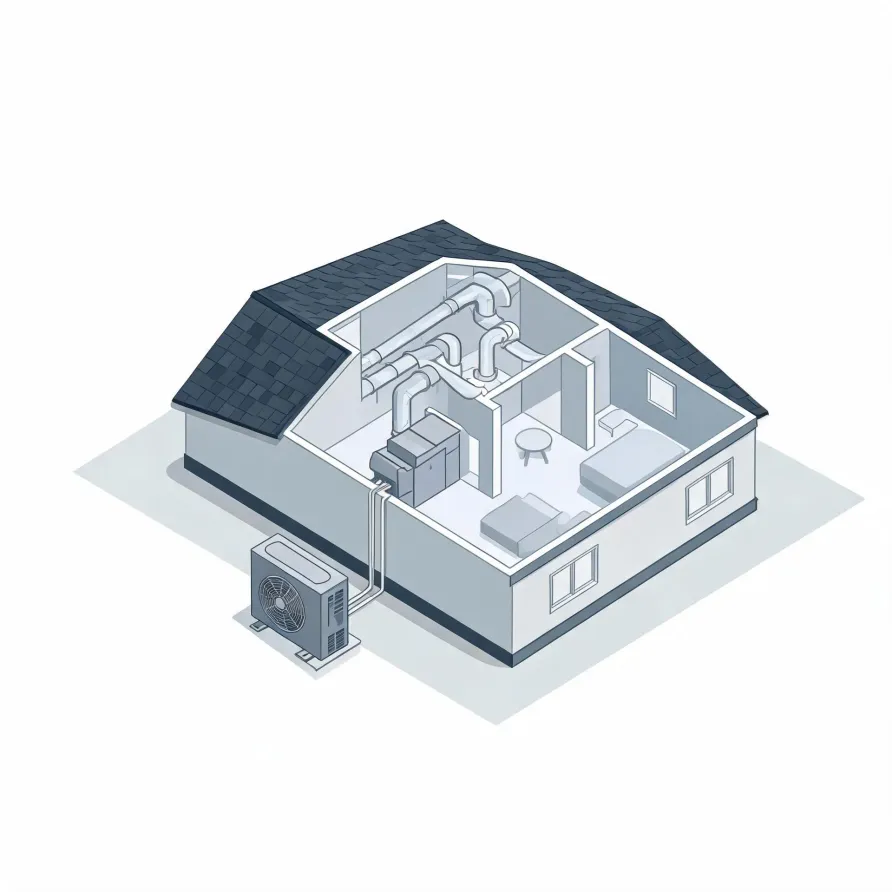
The outdoor unit is the piece most homeowners notice first, sitting on a pad beside the house. Inside its metal cabinet are the compressor and the condenser coil, and when either of those fails, the whole system stops moving heat. The compressor is the part a contractor goes to first when the heat pump runs but nothing happens.
Inside the house, the air handler holds the evaporator coil and the blower fan, drawing air across the coil and pushing it through the home. A reversing valve connects the two units and controls which direction the refrigerant flows. The refrigerant lines and expansion valve sit in that path as well, and a fault in any of them shows up as weak output or ice on the coil.
The drawing shows the general layout of a heat pump system, and a licensed contractor determines which components apply and what work is needed in your specific home.
Find a contractor in Wheatland CountyWheatland County by the numbers
250 severe weather events were recorded in Wheatland County, Montana between 2015 and 2024.
NOAA National Centers for Environmental Information, Storm Events Database, bulk CSV export, events 2015-01-01 through 2024-12-31.Half the homes in Wheatland County, Montana were built in 1958 or earlier (2020-2024 ACS 5-year).
U.S. Census Bureau, 2020-2024 American Community Survey 5-Year EstimatesWheatland County, Montana holds 1,161 housing units (2020-2024 ACS 5-year).
U.S. Census Bureau, 2020-2024 American Community Survey 5-Year EstimatesOwners occupy 75.5% of the occupied homes in Wheatland County, Montana (2020-2024 ACS 5-year).
U.S. Census Bureau, 2020-2024 American Community Survey 5-Year EstimatesRepair Rules for Heat Pumps in Wheatland County, Montana2 sourced rules and standards
Licensing Rules for HVAC Repair in Wheatland County, Montana
Montana’s contractor licence does not reach a casual, minor or inconsequential job whose total price for labour, materials and everything else is less than $2,500 — and the exemption is lost if the work is only part of a larger operation, or if a job is divided up to get under the figure.
Montana requires a current construction contractor licence from the Department of Labor and Industry: an individual or business may not engage in business as a construction contractor without one.
Severe Weather Events in Wheatland County
Weather puts work on heating and cooling equipment: temperature swings, pressure changes, and sustained cold all affect how hard a heat pump runs and how long its components hold up. How much stress local conditions add is a Wheatland County question, and the record below gives contractors the context they need to do the repair right.
250 severe weather events, 2015–2024. Source: NOAA National Centers for Environmental Information, Storm Events Database.