Tell us about the job
Takes about a minute. No obligation.
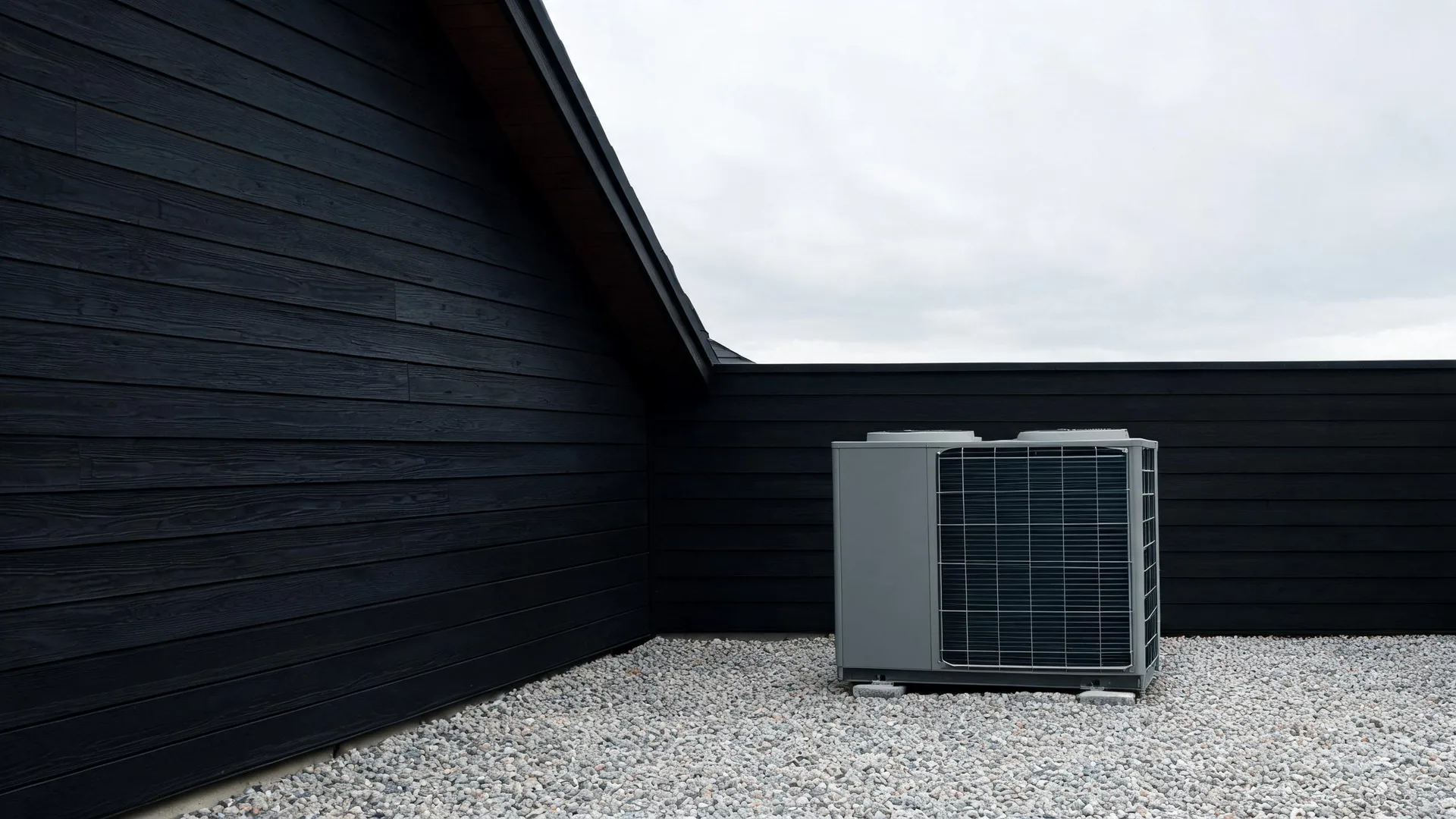
A heat pump repair quote in Garfield County starts with the compressor and the reversing valve, because those are the parts that absorb the work of a long heating season. Homes in Garfield County, MT run heat about nine months a year, from September through May. Cold outdoor air forces a heat pump to run harder and cycle more often to pull usable heat from it, and that mechanical load lands squarely on the compressor. A contractor pulling a unit here will check that compressor carefully before pricing anything else, because the cycling hours logged against Montana winters tend to show up inside it first.
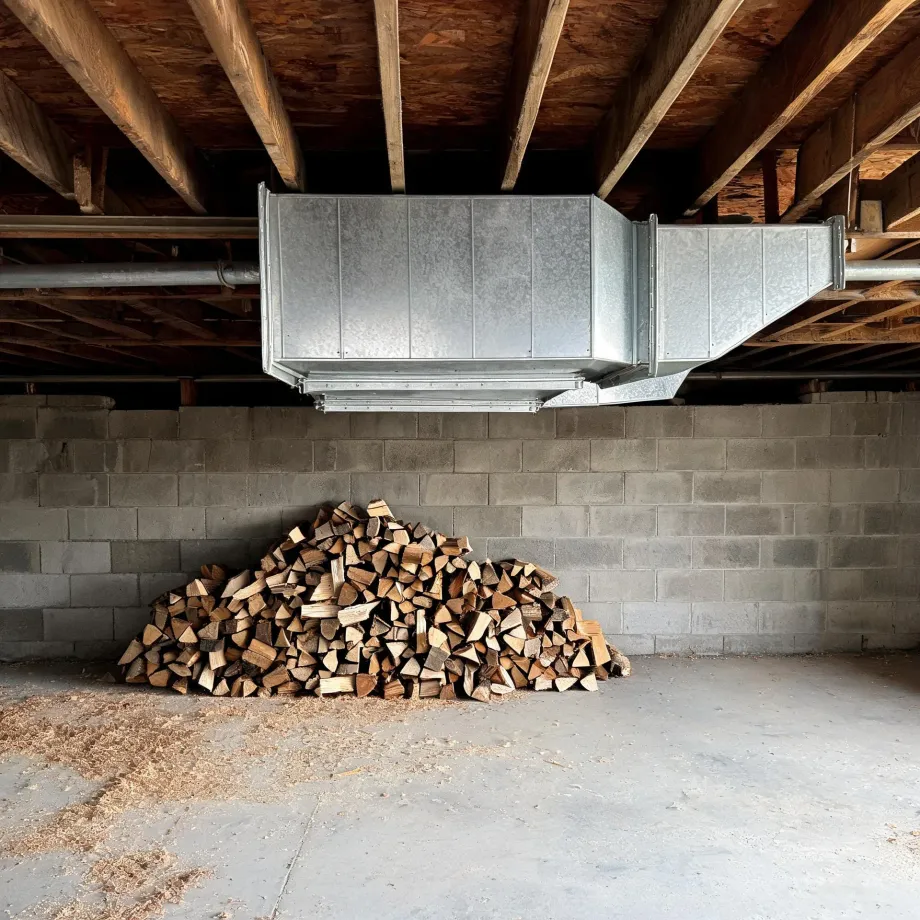
Ductwork in a house this old has been moving air through the same sheet metal, joints, and insulation for a long time, and what a contractor finds inside it shapes the repair bill as much as anything wrong with the heat pump itself. Half the homes in Garfield County, Montana were built in 1978 or earlier (2020-2024 ACS 5-year). That is the context a contractor works inside when a heat pump in this county stops performing: a system pulling air through passages that have had plenty of time to accumulate residue, lose their seal at joints, or compress insulation that once held a tighter R-value. A refrigerant charge or a failed capacitor is a straightforward fix. Ductwork condition in housing like this is what determines whether that fix holds.
The Parts of a Heat Pump a Contractor Checks During Repair
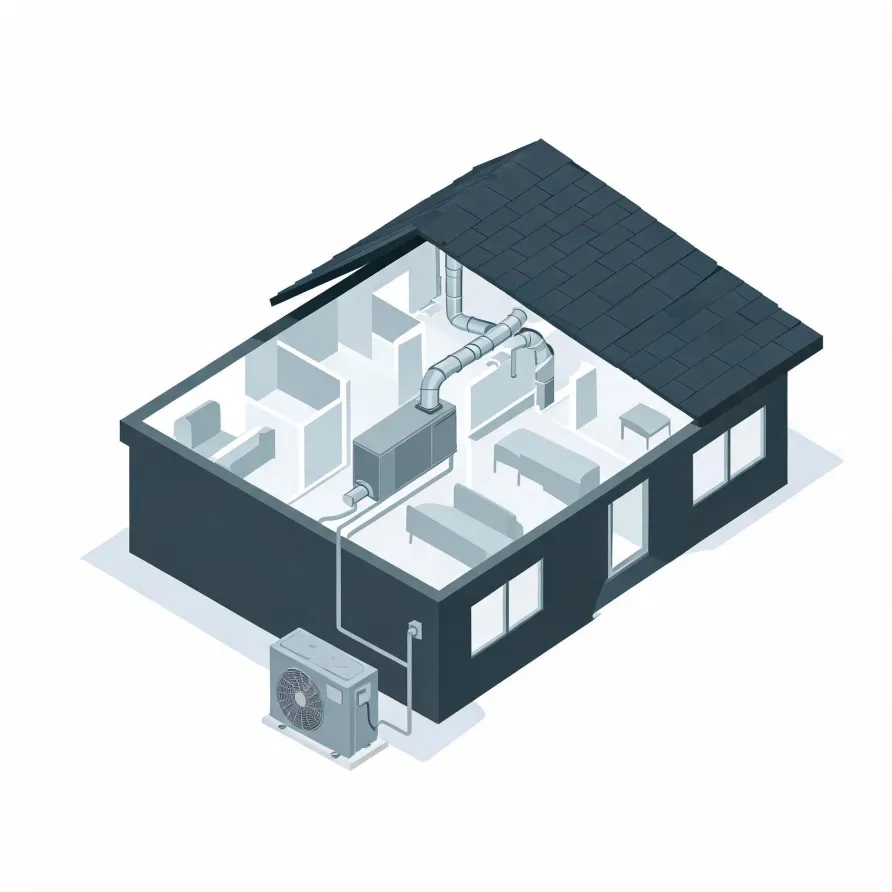
The outdoor unit is usually where a contractor starts. It houses the compressor, which pressurizes the refrigerant, and the condenser coil, which sheds or absorbs heat depending on the season. When either of those components fails, the system loses its ability to move heat at all. The fan that pulls air across the coil is another common point of failure.
Inside the house, the air handler holds the evaporator coil and the blower fan, which pulls conditioned air through the home. A reversing valve, typically located in the outdoor unit, is what lets the system run in both heating and cooling modes. The refrigerant lines connecting both units and the thermostat wiring are also part of what a contractor traces when diagnosing a problem.
The drawing shows the general layout of a heat pump system, and a licensed contractor determines which components apply to your specific setup.
Find a contractor in Garfield CountyGarfield County, by the numbers
189 severe weather events were recorded in Garfield County, Montana between 2015 and 2024.
NOAA National Centers for Environmental Information, Storm Events Database, bulk CSV export, events 2015-01-01 through 2024-12-31.Half the homes in Garfield County, Montana were built in 1978 or earlier (2020-2024 ACS 5-year).
U.S. Census Bureau, 2020-2024 American Community Survey 5-Year EstimatesGarfield County, Montana holds 730 housing units (2020-2024 ACS 5-year).
U.S. Census Bureau, 2020-2024 American Community Survey 5-Year EstimatesOwners occupy 72.2% of the occupied homes in Garfield County, Montana (2020-2024 ACS 5-year).
U.S. Census Bureau, 2020-2024 American Community Survey 5-Year EstimatesRepair Rules and Codes for Heat Pumps in Garfield County, Montana2 sourced rules and standards
Contractor Rules for Garfield County, Montana
Montana’s contractor licence does not reach a casual, minor or inconsequential job whose total price for labour, materials and everything else is less than $2,500 — and the exemption is lost if the work is only part of a larger operation, or if a job is divided up to get under the figure.
Montana requires a current construction contractor licence from the Department of Labor and Industry: an individual or business may not engage in business as a construction contractor without one.
Severe Weather Events in Garfield County
Extreme weather puts heat pumps under load they were not sized to ignore. A unit that runs hard through difficult conditions accumulates stress, and repair needs in Garfield County reflect the local climate more than they reflect national averages.
189 severe weather events, 2015–2024. Source: NOAA National Centers for Environmental Information, Storm Events Database.