Tell us about the job
Takes about a minute. No obligation.
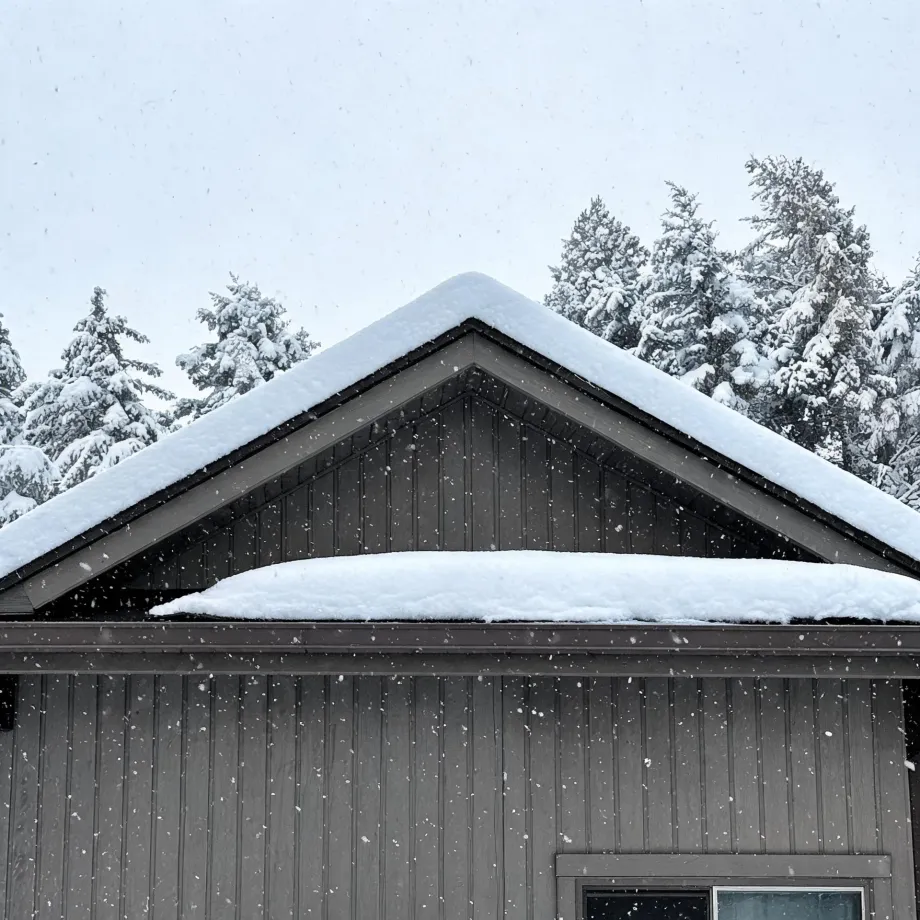
A heat pump repair in Missoula County starts with the compressor and the reversing valve, because those are the parts that bear the load of both heating and cooling cycles month after month. Homes in Missoula County, MT run heat about ten months a year, from September through June. Cold outdoor temperatures push a heat pump hardest in heating mode, dropping its capacity precisely when the house needs it most, which means the compressor is working against worse conditions for much of its runtime. A contractor diagnosing a fault here checks refrigerant charge and compressor amp draw early, because a system running in that thermal range will show deficiencies in those readings before anything else gives way.
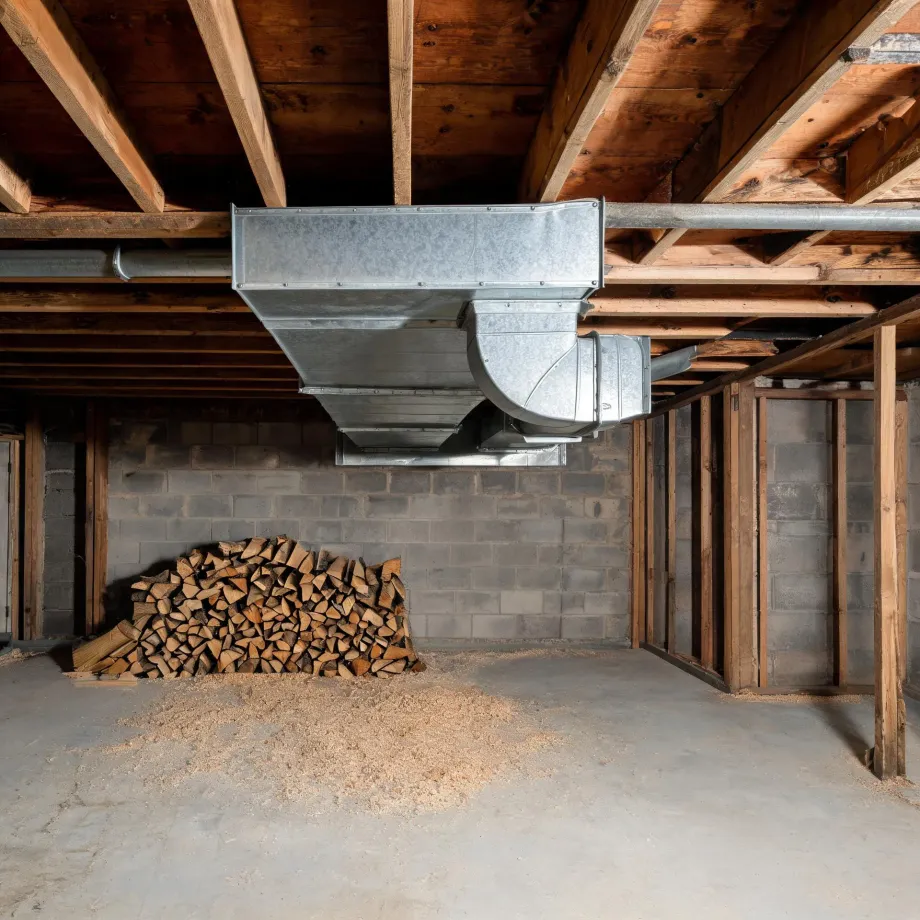
Stock built for one generation of heating equipment tends to have had several systems cycle through it since. Half the homes in Missoula County, Montana were built in 1985 or earlier (2020-2024 ACS 5-year). A heat pump sitting in a house that age has often been the third or fourth unit in that mechanical space, and each swap leaves behind wiring splices, refrigerant line adaptations, or control boards sourced from whatever was available at the time. When a contractor opens the unit, what shapes the repair is whether the parts the system actually takes are still in production, and whether the field wiring behind it is clean enough to trust.
The Parts of a Heat Pump a Contractor Checks During Repair
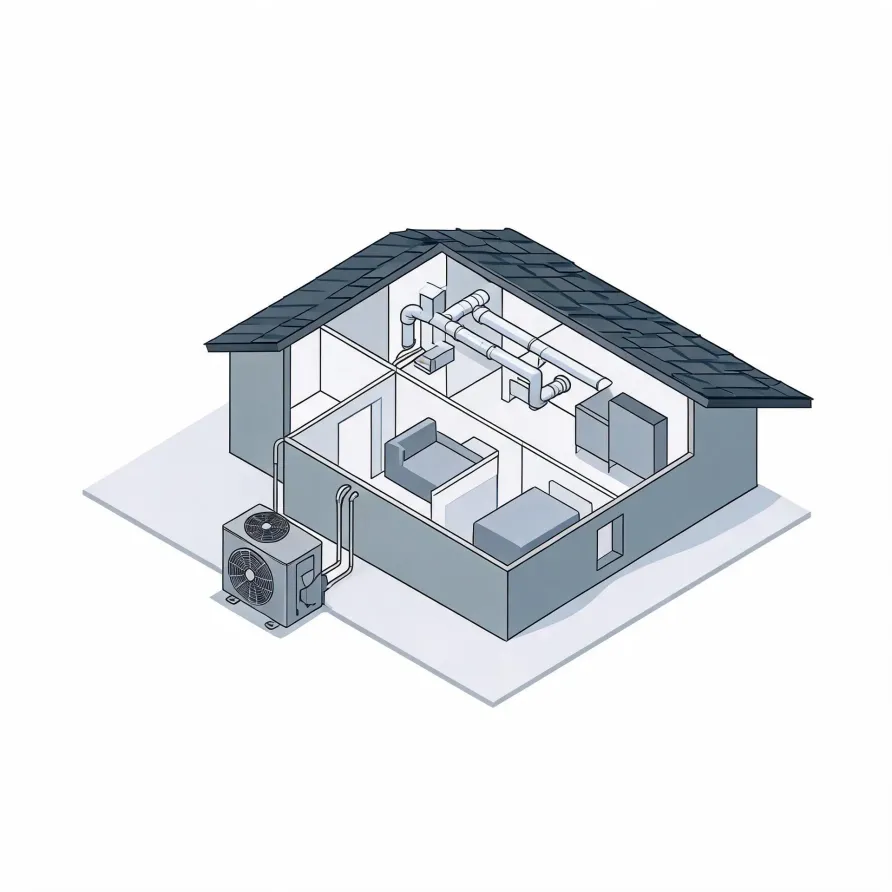
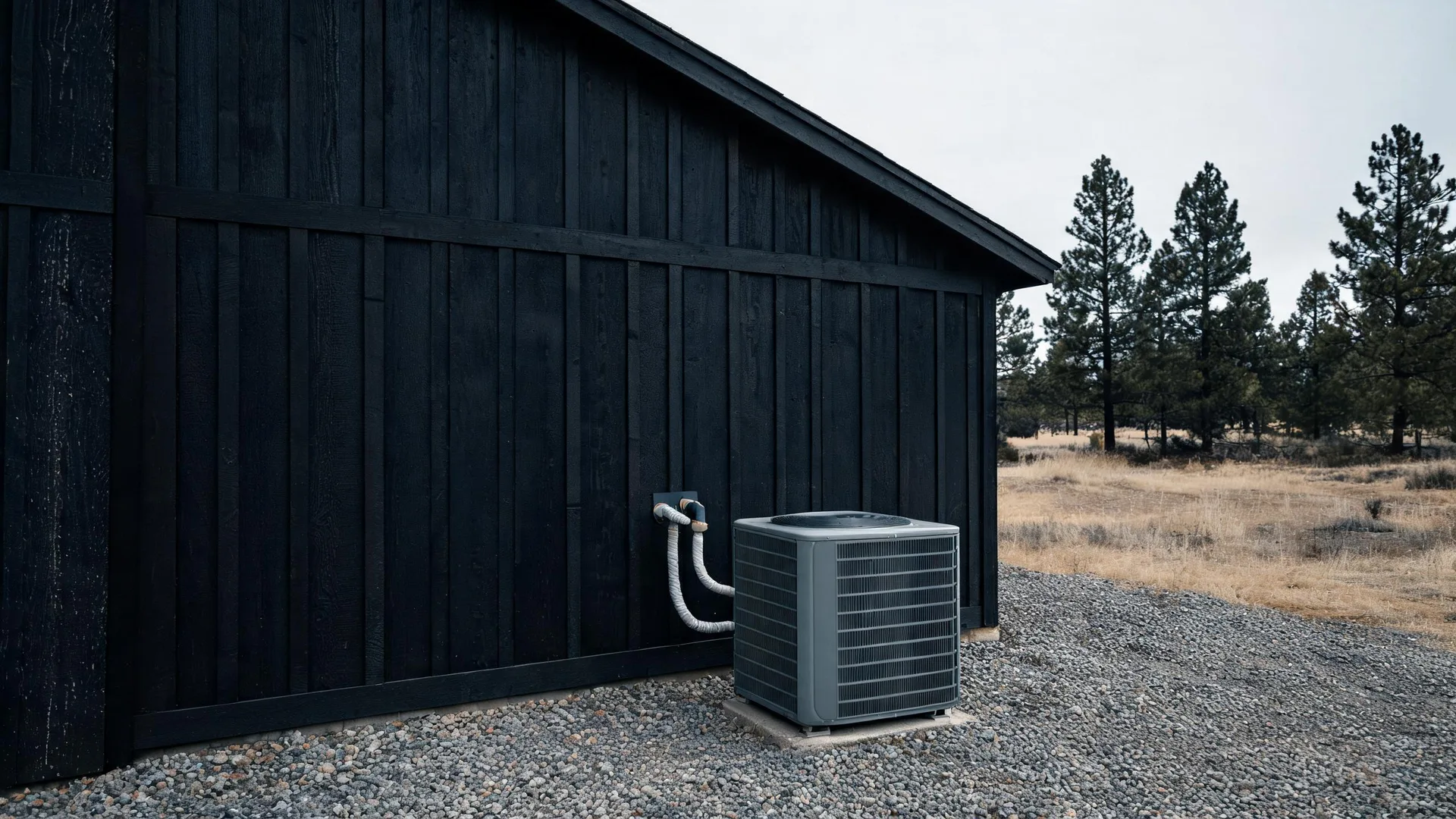
The outdoor unit sits on a pad beside the house and holds the compressor and condenser coil. These are the pieces a contractor reaches first when something goes wrong. A failed compressor, a refrigerant leak at the coil, or a seized fan motor in that cabinet are the most common reasons a heat pump stops doing its job.
Inside the house, the air handler holds the evaporator coil and the blower fan that moves conditioned air through the home. The refrigerant lines running between the two units and the reversing valve inside the system are also points a contractor checks, since a faulty valve is what causes a heat pump to lose the ability to switch between heating and cooling.
The drawing shows a typical layout, and a licensed contractor determines which components and connections apply to your specific system.
Find a contractor in Missoula CountyMissoula County, by the numbers
254 severe weather events were recorded in Missoula County, Montana between 2015 and 2024.
NOAA National Centers for Environmental Information, Storm Events Database, bulk CSV export, events 2015-01-01 through 2024-12-31.Half the homes in Missoula County, Montana were built in 1985 or earlier (2020-2024 ACS 5-year).
U.S. Census Bureau, 2020-2024 American Community Survey 5-Year EstimatesMissoula County, Montana holds 56,930 housing units (2020-2024 ACS 5-year).
U.S. Census Bureau, 2020-2024 American Community Survey 5-Year EstimatesOwners occupy 58.8% of the occupied homes in Missoula County, Montana (2020-2024 ACS 5-year).
U.S. Census Bureau, 2020-2024 American Community Survey 5-Year EstimatesRepair Rules & Codes for Heat Pumps in Missoula County, Montana2 sourced standards and regulations
Licensing and Legal Requirements in Missoula County, Montana
Montana’s contractor licence does not reach a casual, minor or inconsequential job whose total price for labour, materials and everything else is less than $2,500 — and the exemption is lost if the work is only part of a larger operation, or if a job is divided up to get under the figure.
Montana requires a current construction contractor licence from the Department of Labor and Industry: an individual or business may not engage in business as a construction contractor without one.
Weather Stress on HVAC Equipment in Missoula County
Heating and cooling equipment works harder when the weather turns severe, and that workload shows up over time as wear on components. How often conditions push equipment to its limits is a local fact, and repair needs in Missoula County track closely with what the climate puts on the system.
254 severe weather events, 2015–2024. Source: NOAA National Centers for Environmental Information, Storm Events Database.