
How cold is too cold for a heat pump in Montana

Send the request and finding a pro stops being your problem.

Let a pro reach out

How cold is too cold for a heat pump in Montana?

Montana winters run long and hard, and you've heard that heat pumps stop working once it gets cold enough. If you're thinking about installing one, or already have one and want a backup plan before January hits, you want to know the actual temperature where it quits pulling heat.

Most heat pumps lose real heating power below 25 to 30 degrees, and stop pulling useful heat somewhere near 0.

A heat pump moves heat from the outside air into your house, and the colder that air gets, the less heat there is to move. Below 25 to 30 degrees, most units start struggling to keep up on their own. Somewhere around 0, they're not worth running at all. Montana gets stretches of single digits and below zero most winters, so a heat pump alone won't carry a house through January and February here. That's why most homes here heat with gas, and why a heat pump in Montana usually works paired with a furnace rather than replacing one. The furnace takes over once the outside temperature drops past the point where the heat pump can still help.

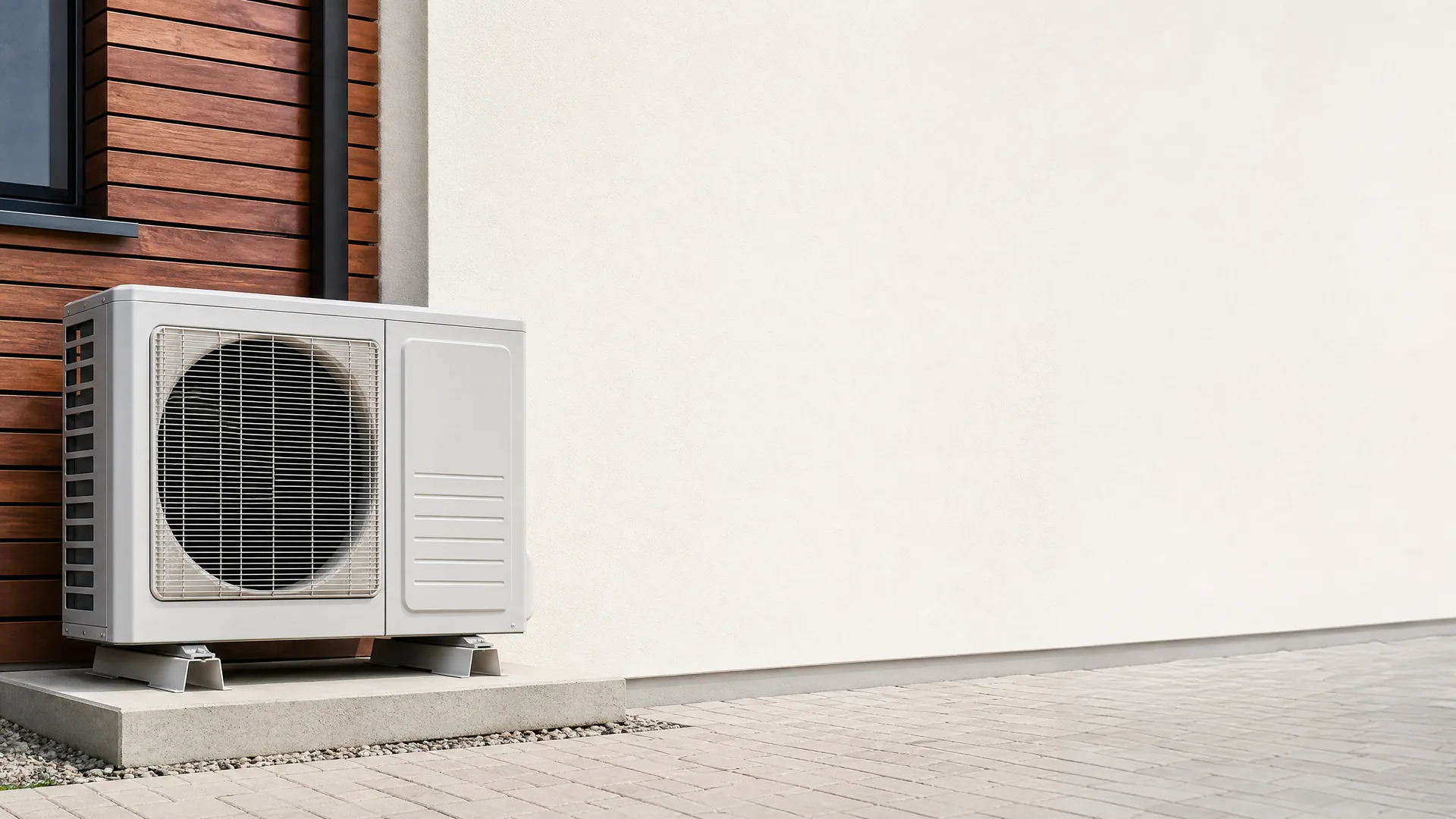
A white outdoor heat pump unit on a concrete pad beside a house with wood-slat siding and a large plain light-colored stucco wall, with paving stones in the foreground.

What happens at low temperatures

A heat pump pulls heat out of the outside air and moves it inside. The colder the air gets, the less heat there is to pull, so the unit has to work harder for the same result. Most units lose a noticeable share of their capacity somewhere in the teens, and keep losing it as the temperature keeps dropping. That's not a malfunction. It's how the refrigeration cycle behaves, no matter who made the unit or when it was installed.

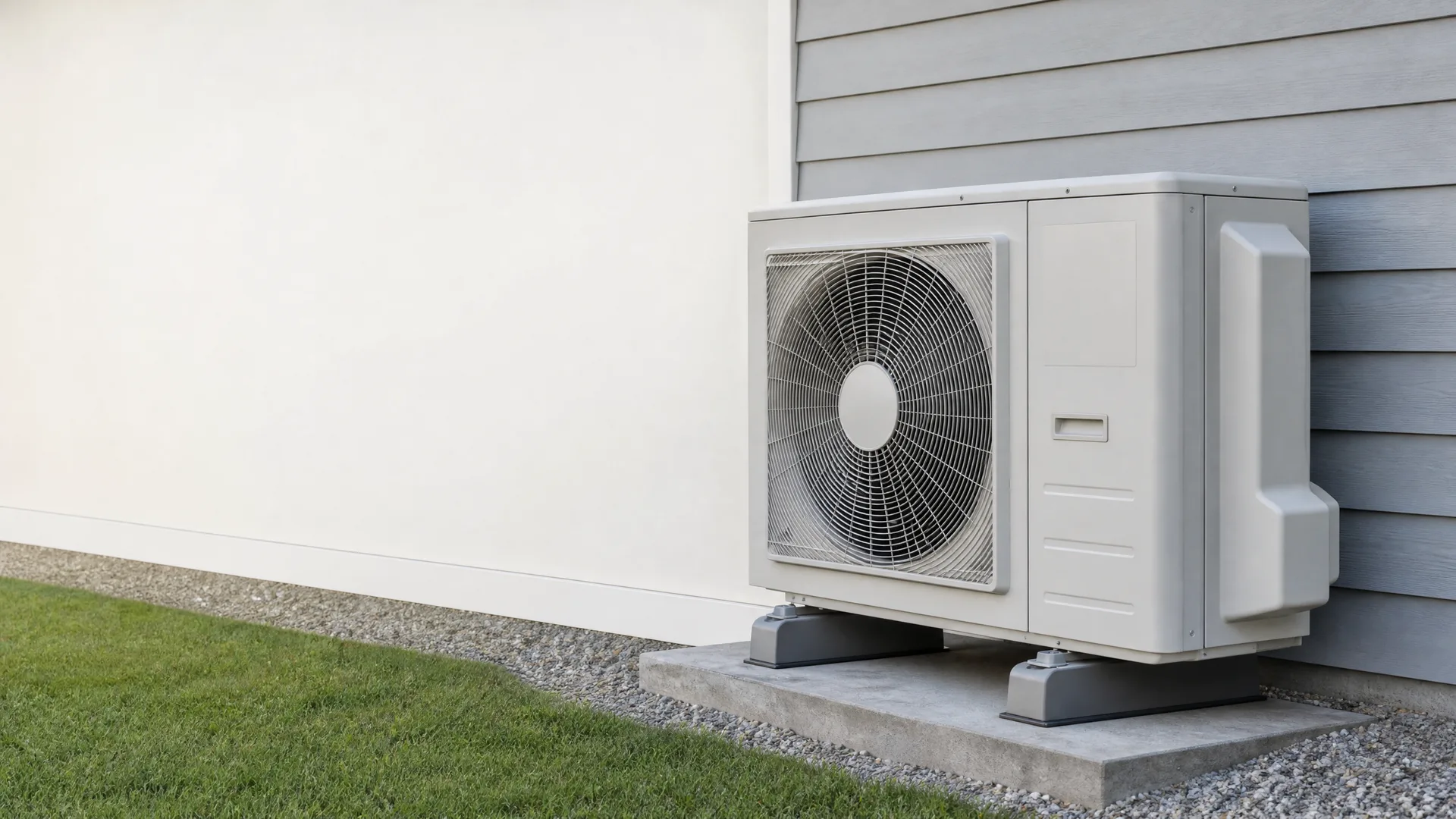
A white outdoor heat pump unit on rubber feet sits on a concrete pad beside a gray-sided house wall, next to a smooth light wall, gravel strip and lawn.

Why a backup matters here

Montana gets stretches below zero most winters, and that's colder than a heat pump alone is built to handle well. This is why most installations here pair the heat pump with a gas furnace, switching over automatically when the outdoor temperature drops past a set point. The heat pump covers the milder stretches of the season, the furnace covers the hard cold, and you're not relying on one system to do a job it wasn't designed for on its own.

Heat Pump Alone or Paired With Gas Backup

Heat pump alone

  • Below a certain outdoor temperature, the unit can't pull enough heat from the air to keep the house at the setpoint on its own.
  • On the coldest nights, it may run continuously and still lose ground, especially in a drafty or poorly insulated house.
  • Most gas furnaces here already provide the backup heat Montana winters need, so the heat pump handles the milder stretches.
  • Without a backup source, you're relying on electric resistance strips, which cost more to run than gas on the coldest days.
  • A heat pump sized only for summer cooling may be undersized for how cold it actually gets here in January.

Heat pump with gas backup

  • The system switches to the furnace automatically once outdoor temperatures drop below where the heat pump can keep up.
  • You get the heat pump's efficiency during the shoulder months, fall and spring, without losing heat on the hardest nights.
  • Gas is already common here and power is cheap, so running either side of the system isn't the expensive part.
  • A contractor sets the switchover point based on your house and your furnace, not a factory default.
  • Because summers here are hot and dry, the same heat pump covers cooling all season, so you're not paying for a separate AC.
An outdoor condenser unit on a concrete pad beside a gray lap-sided house, with an electrical disconnect box and conduit on the wall and shrubs with mulch to the right.

Working fine above the balance point

On a cold but normal Montana day, the unit outside looks like this: clean coil, steady cycling, lines running to the disconnect without strain. Above the point where it's matched to a backup source, it heats the house on its own and the gas furnace stays idle. This is the unit doing its job.


An outdoor air conditioning condenser unit on a concrete pad beside a house with horizontal siding above a brick foundation, with a flexible conduit running to a wall-mounted disconnect box.

Struggling on the hardest nights

This is what a heat pump looks like when it's been asked to do too much for too long: dust and grime built up, the coil weathered. On the coldest Montana nights, without a furnace to take over, a unit left to run flat out with no relief shows wear like this over time.

A man in a gray sweater reclines in a brown leather armchair with his eyes closed, beside a wooden side table holding a mug, a folded newspaper and a potted plant, with a bookshelf and sunlit window behind him.
A man with greying hair and a dark sweater leans back on an armchair with his eyes closed and a slight smile, in a living room with a bookshelf, plant, folded newspaper and mug on a wooden table.
A man in a gray fleece jacket sits reclined in a leather chair with his eyes closed, in a room with bookshelves, a table lamp, a window, and a desk holding a folded newspaper and a dark mug.
A bearded man in a gray fleece pullover sits with eyes closed in a brown leather armchair in a living room, with a floor lamp, bookshelf, potted plants, a side table holding newspapers and a dark mug, and a bright window behind him.

Below the balance point

On the coldest nights, the heat pump keeps running but loses ground. Rooms farthest from the vents cool first, and the thermostat setpoint stops being reachable until the air warms back up.

Skip the calls

With a backup source paired in

A furnace or strip heat kicks in when the outdoor temperature drops too low for the heat pump alone, so the house holds its temperature straight through the cold snap without the unit straining.

Skip the calls
A closed silver laptop and a glazed ceramic mug on a wooden table, with a blurred kitchen counter, potted plant, cutting board and window in the background.

Why most Montana heat pumps are paired with a furnace

A heat pump and a gas furnace can share the same ductwork, and a control called a dual fuel switch decides which one runs. Set it right and the heat pump carries the house down to its balance point, then the furnace takes over below that without you touching the thermostat. Since most homes in Montana already heat with gas, the furnace is usually already there. Installing a heat pump often means adding it to a system that has the other half in place, not building both from scratch.

Getting that switchover point set correctly is the kind of thing that matters more in Lewistown in January than it does in a mild climate, and it's easy to get wrong without someone who's set one up before. Finding a contractor who installs dual fuel systems, not just heat pumps or just furnaces, usually means calling around and asking the same questions more than once. Send the form once and that search is off your list.

Interior corner of a dining room with a round wooden table, a ceramic vase holding olive branches, a dark spindle-back chair near a curtained window, and a sideboard with a lamp against beige walls.
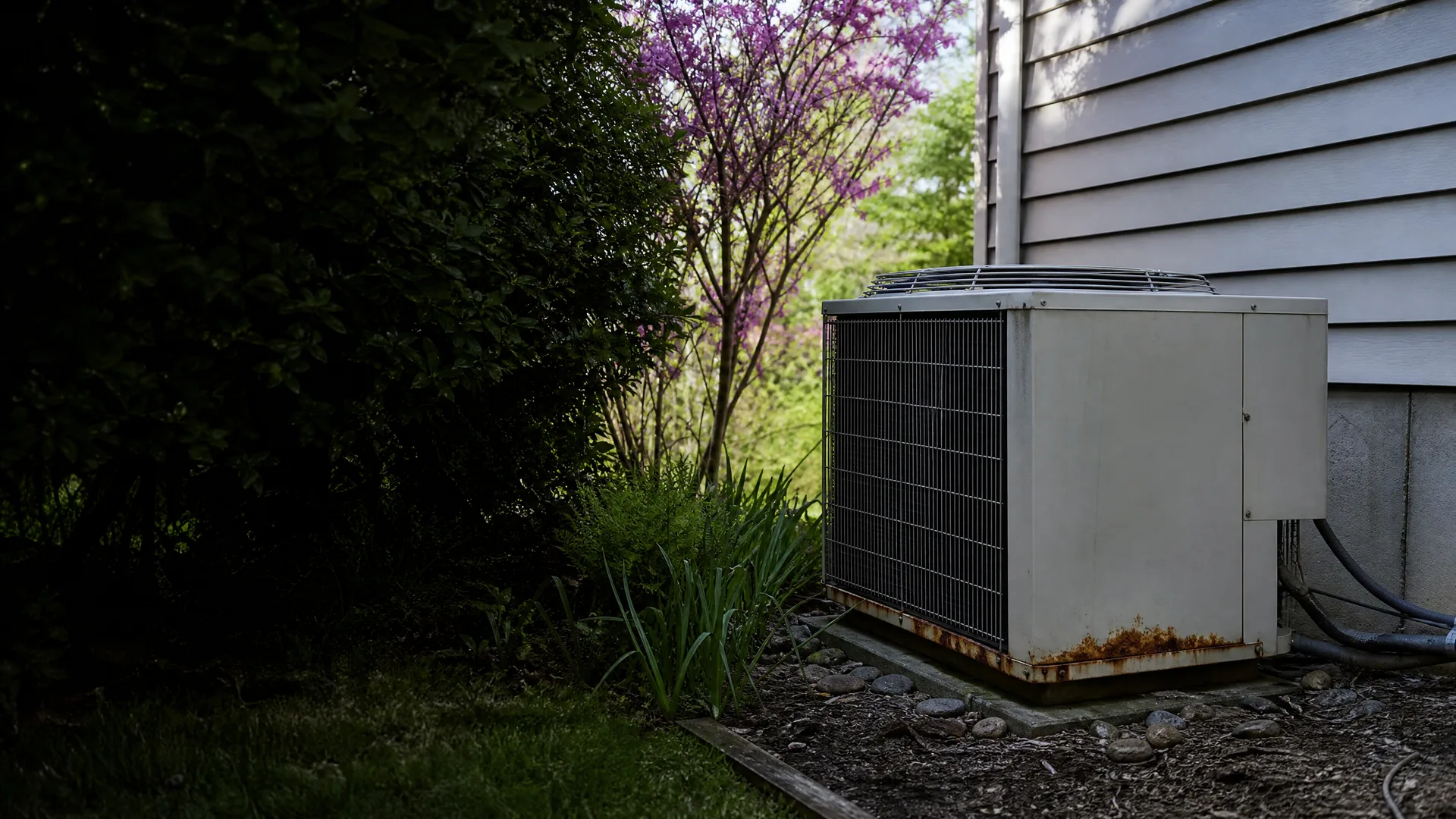
An outdoor air conditioning condenser unit with rust streaks sits on a concrete pad beside a light-colored lap-sided house, surrounded by shrubs, gravel and a flowering tree.

You walk out to the side yard in April, coffee still in hand, because the unit kicked on and you want to see how it's holding up after winter. The sun's out but there's still a chill. Rust has crept along the base of the cabinet, worse than you remembered from last fall. The coil looks fine and it's cycling the way it should, but that rust line gives you pause. You crouch down to look closer and think about the nights last January when it ran nonstop and the furnace carried the rest. Another winter like that one, and you'd rather know now than find out in December whether this unit still has it in it.

Let someone else find the pro

You already know Montana winters go well below where a heat pump can keep up on its own. If you're putting one in now, the question isn't whether to add a furnace or other backup, it's getting someone to size and pair the two correctly for your house, your ductwork, and how cold it actually gets where you live. That's not a small job, and getting it wrong means a cold house on the nights you need heat most. Finding a contractor who installs dual fuel systems and knows how to set the switchover point means calling around, explaining your setup to each one, waiting on quotes, and trying to judge who actually knows this install versus who's guessing. Send the request once and that work is off your plate. One contractor gets it, sized for your home and this climate, and you're not the one chasing bids before the cold sets in.

A two-story house with cream horizontal siding, a dark gabled roof, and a white front door, fronted by a lawn, shrubs, and a concrete walkway leading to a sidewalk and street, with large leafy trees on both sides.

Summers in Montana aren't the part of the year that worries a heat pump, but they still tell you something. Averaged across the places people live here, the dew point runs 44°F through June, July and August, according to NOAA climate data. That's dry air. A heat pump sheds humidity as a side effect of cooling, and when the air starts out dry, there's less moisture for it to pull out. You'll feel the house cool off fast without that damp, heavy feeling pushing back against it. The unit isn't working against the air the way it would somewhere muggy. It's the cold months, not these, where the same equipment has to work for every degree it gives you.

NASA POWER T2MDEW county cells weighted by homes

What you'd notice in your own house on a cold night

You'd hear it first. The outdoor unit running nonstop instead of cycling on and off, and still the house doesn't quite warm up. The vents are blowing air that feels cooler than it should. Rooms at the end of the ductwork, a bedroom over the garage, a bonus room above the porch, get cold first and stay that way. Check the thermostat and the setpoint reads a few degrees higher than what the room actually is. None of that means the unit is broken. It means it's below the point where it can keep up alone. Left alone on the coldest nights with no backup to pick up the difference, pipes in exterior walls or an unheated crawlspace are the thing at risk.

  1. The thermostat calls for heat and the dual fuel switch checks outdoor temperature.

  2. Above the balance point, the heat pump runs alone and heats the house.

  3. Below the balance point, the switch shuts off the heat pump and starts the furnace.

  4. The furnace takes over through the same ducts until it warms back up outside.

A gray outdoor condenser unit on a concrete pad beside a light-green sided house, surrounded by mulch, ornamental grasses and a shrub, with mowed lawn in the foreground.
A clean coil and steady lines mean the heat pump is still pulling its weight above the balance point.
A gray outdoor air conditioning condenser unit on a concrete pad beside a house with light vinyl siding, with a gray electrical disconnect box and conduit on the wall to the right.
Dirt-caked fins and a weathered cabinet like this struggle to move heat once a Montana cold snap sets in.

Power costs 12.99 cents per kilowatt-hour statewide

That rate applies no matter which part of the system is carrying the house on a given night, the heat pump or the furnace backing it up. Running the heat pump harder on a cold day costs you less here than it would almost anywhere else.

EIA-861 2025 statewide residential average

A heat pump alone can't carry a Montana house through the coldest part of winter. Below the balance point, it needs a furnace or other backup to take over, and getting that pairing sized and set up right is what decides whether you're warm on the nights that matter. That's an installer's job, matched to your house, your ductwork, and where you live in the state. You could spend a week on that yourself: calling around, asking each one if they've even set up a dual fuel system before, explaining your situation again on every call, then trying to compare bids that aren't quite measuring the same thing. Send the form instead and that work is off your plate. You'll have someone qualified to size the system and set the switch point without having to vet them one by one. The cold doesn't change. What it takes to get ready for it, from here, does.

A modern two-story house with dark siding and stone base at dusk, with lit soffit lights, a path of large rectangular pavers set in dark gravel, planting beds, a lawn, and an orange and blue sunset sky above distant trees and water.

Heat Pump Installation

One request and it's handed off

Step 1 of 3: Equipment
  • A brown leather and wood armchair with a cream knit throw sits in a corner beside a woven basket holding a dark cushion, under a framed mountain photograph, with a wood-trimmed window showing yellow and green foliage.
    • Get in touch with a local installer about a new heat pump.
    • A local installer who puts in heat pumps gets your project.
  • A dark wood dresser against a pale wall holds a ceramic vase of eucalyptus branches, a stack of books with a wooden bowl, and a woven basket, with a framed landscape painting above and a woven basket holding a knit blanket on the floor beside a window.
    • Send the form and stop researching installers for the new heat pump.
    • One request ends the search for a heat pump installer.
  • A window seat with beige linen and brown textured cushions, a chunky knit blanket, and an open book, beside a window showing blurred yellow autumn foliage.
    • Skip searching for a heat pump pro and answer a few questions instead.
    • One form replaces the calls you'd make to find a heat pump pro.
  • A cream upholstered armchair with a rust-colored pillow and knit fringed throw sits beside a window with a ceramic vase of orange-leafed branches on the sill, overlooking autumn trees and leaf-covered ground.
    • Your request goes to one pro, not a list of companies.
    • One installer gets your project, so there's no bidding war over it.