Normal operation
The outdoor unit runs, the fan turns, and heat moves into your house. If frost forms on the coil, it defrosts itself on a cycle and goes right back to pulling heat from the outside air, even on a cold Montana night.
Emergency heat is a setting on your thermostat that shuts off the outdoor unit and runs backup heat strips instead. Your heat pump moves heat from the outside air, and in Montana winters that outside air can get cold enough that ice builds up on the outdoor coil faster than the unit can clear it, or the outdoor unit can stop working altogether. The emergency heat setting is there for that second case. It is a manual switch you flip when the outdoor unit has failed and you need heat while you wait for a repair. It is not a setting to leave on through a cold snap just because the air outside feels too cold for the heat pump to handle. If your thermostat is showing emergency heat on its own, or you switched it on because the house wasn't warming up, that is the outdoor unit telling you something is wrong.

The outdoor unit runs, the fan turns, and heat moves into your house. If frost forms on the coil, it defrosts itself on a cycle and goes right back to pulling heat from the outside air, even on a cold Montana night.

The outdoor fan is iced over or not turning, and the unit can't pull heat from the air anymore. Switching to emergency heat gets warmth back on with the electric strips while a technician who works on heat pumps all winter figures out why the outdoor unit stopped.
You might notice the air coming out of your vents feels cooler than usual, or the outdoor unit is running nonstop and still not keeping the house at the set temperature. Maybe you've walked outside and seen the coil caked in ice that isn't clearing on its own. Or the switch got bumped to emergency heat months ago and nobody's touched it since, so the strips have been covering the full load while the heat pump sits idle. Left that way through a Montana winter, you're paying for heat strips instead of a heat pump, and the unit outside isn't doing the job it's built for.
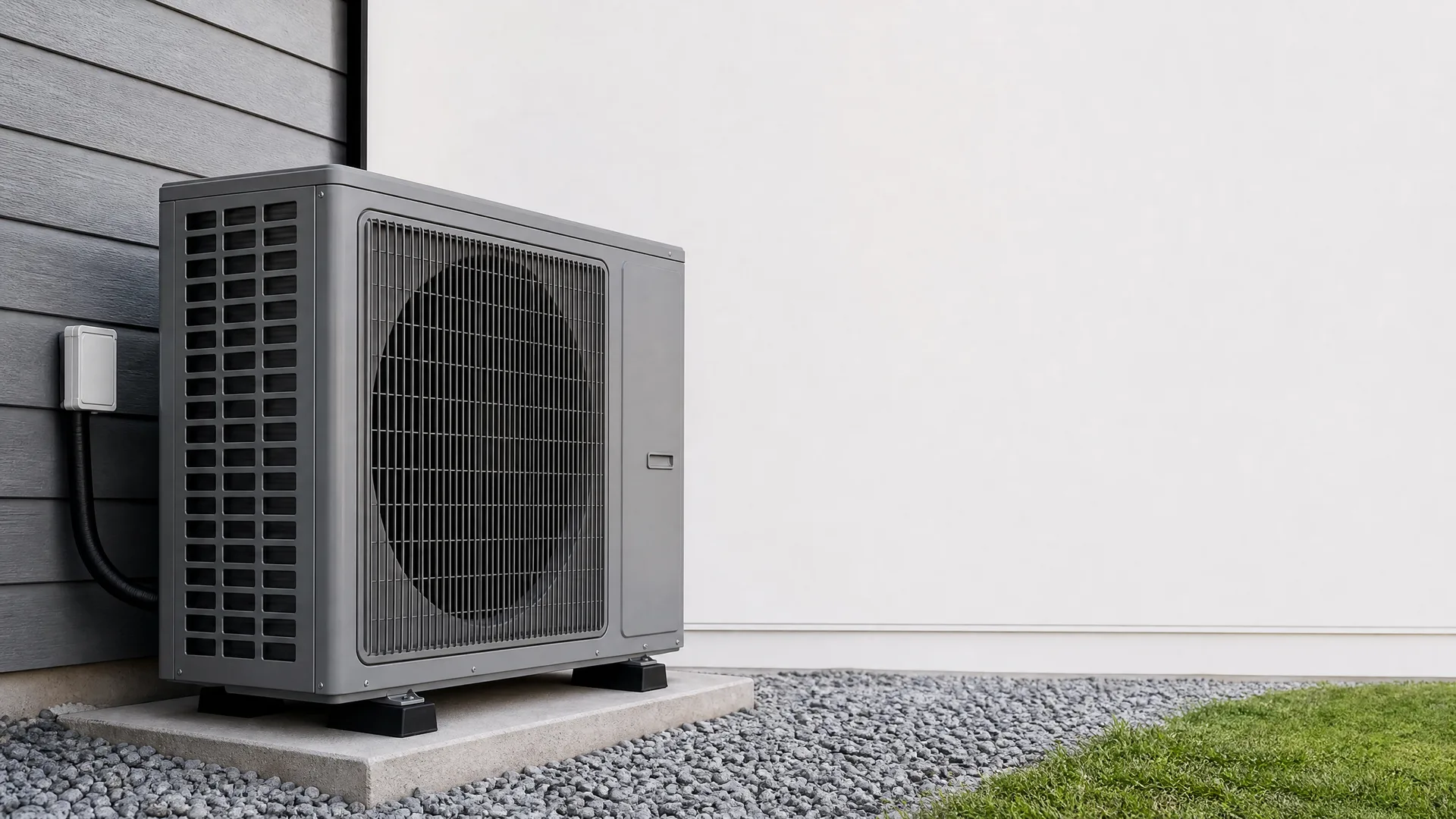
The backup heat strips are electric resistance, the same principle as a toaster. There's no outdoor unit involved, no refrigerant, no defrost cycle to manage. Since power in Montana is cheap, running on emergency heat for a night or two while something gets fixed outside won't hit your wallet the way it might in other states. It just won't move heat as efficiently as the heat pump does when that outdoor unit is working right.
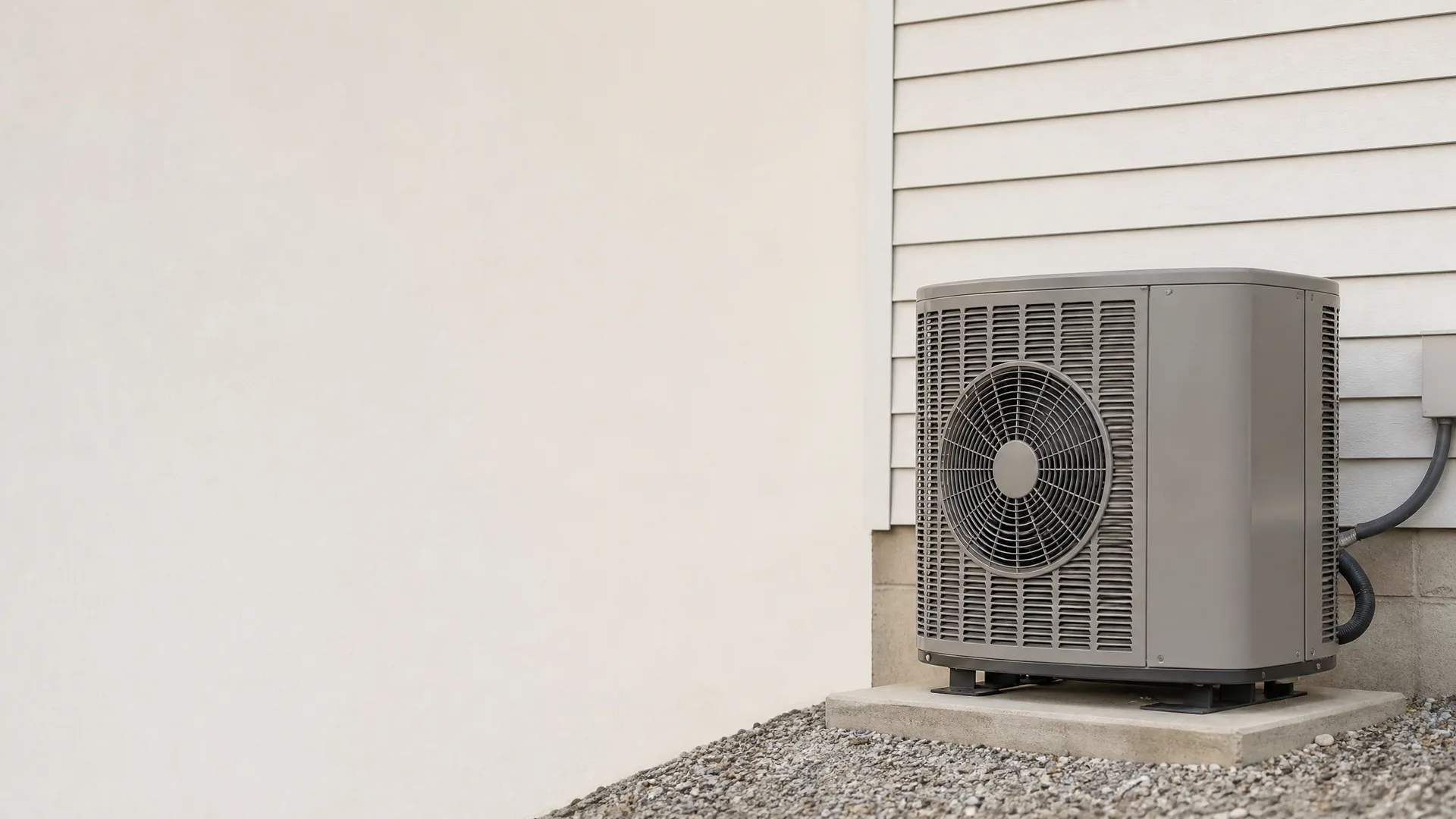
A heat pump defrosts by briefly reversing itself, sending warm refrigerant through the outdoor coil to melt frost, then switching back. That cycle should last a few minutes and happen a handful of times a day at most in cold weather. If the reversing valve sticks or the defrost control board fails, the unit can stay in defrost mode or skip it entirely, and ice keeps building until the coil is blocked solid.
You keep hearing that frost on the coil is normal and clears on its own, but you want to know when what you're looking at is actually a problem instead of a heat pump doing what it's supposed to do. Standing outside in the cold to check your outdoor unit feels like guesswork if you don't know what you're looking for.
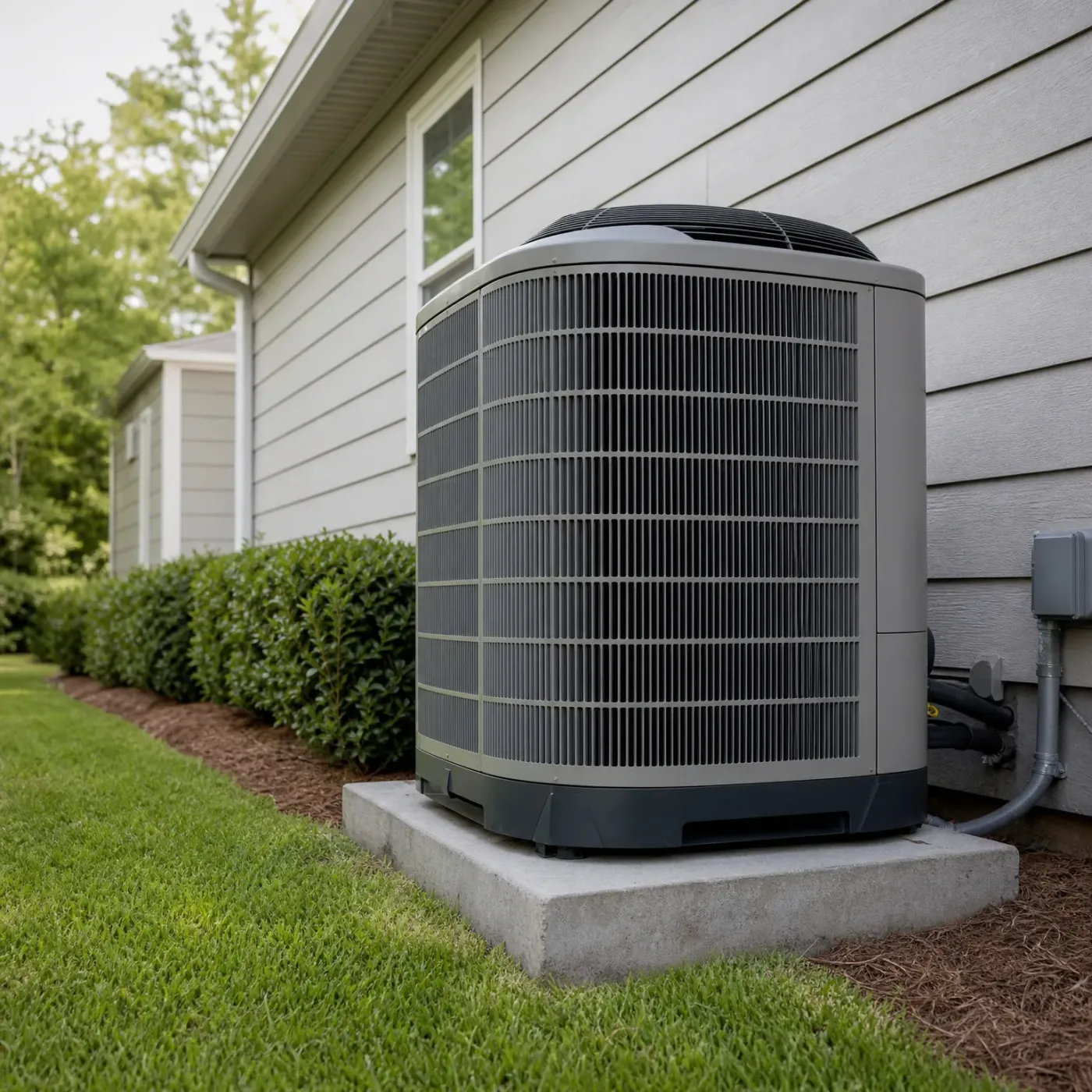
Walk out and look at the coil, the part with all the thin metal fins wrapping the outdoor unit. A light, even frost is the defrost cycle doing its job, and it should be gone within an hour or so. If you see solid ice built up over the fins, or ice blocking the fan on top, the unit can't pull heat from the air anymore and the defrost cycle isn't keeping up with Montana's cold. That's the point to switch the thermostat to emergency heat and leave the outdoor unit alone until a technician looks at it. Running it iced over can damage the compressor.


The pro who reaches out is licensed in Montana.
Answer a few questions instead of calling shop after shop.
There's no charge for the request.

A thermostat left on emergency heat by mistake, or stuck there because the outdoor unit has a real problem, will still heat your house. That's what throws people off. The rooms feel fine, the air coming out of the vents is warm, so nothing seems wrong. The only sign is the electric bill, and you won't see that until it arrives.
If you've checked the outdoor unit for ice, waited the hour, and it still isn't running, something stopped it and that needs a diagnosis, not a guess. Rather than searching around for a contractor who works on heat pumps in Montana winters, calling a few, and going over the same frost and thermostat details with each one, you can request service through this page and have it go to one licensed local contractor who already knows what tends to fail on these systems here.







The outdoor coil picks up frost in cold, damp air.
The system pauses heating and reverses to melt the frost.
The outdoor fan stops while the coil runs warm and clears.
The defrost control board times the cycle and switches back.
At 12.99 cents a kilowatt-hour, leaving your heat pump on emergency heat for a few days while it's fixed won't hit your wallet the way it would in a state with pricier power. The strips use more electricity than the heat pump normally would, but the rate itself isn't working against you.
EIA-861 2025 statewide residential average
Emergency heat means the outdoor unit has stepped aside and the backup strips are carrying the house. That's the whole idea. It's a setting, not a verdict on your heat pump. Most of the time it's doing exactly what it should: keeping you warm while frost or a stuck defrost cycle gets sorted out on the outdoor unit.
The part that actually matters is whether your system comes off that setting on its own once conditions allow, or whether it's stuck there. Stuck means something in the outdoor unit or its defrost control needs a look, not a guess over the phone and not a wait-and-see through another cold night.
That's a smaller job than it sounds like to find help for. Montana winters put a lot of heat pumps into defrost trouble, and a contractor who works on this equipment all winter has likely already seen whatever's keeping your outdoor unit from clearing itself. Send the job to one licensed contractor near you and you get one visit and one answer, instead of fielding calls from several companies all wanting the same job.
Once the outdoor unit is actually fixed, the thermostat drops out of emergency heat by itself. The strips go quiet, the outdoor unit picks the load back up, and that's the signal the repair held. Until then, emergency heat is just the house staying warm while the real fix gets done.





Only one pro gets your request, so you hear from one company.
You only hire the pro if you want to.