Profile view of a bearded man wearing a dark baseball cap and a dark gray T-shirt against a plain off-white background.

Why your heat pump keeps short cycling in Montana

Step 1 of 3: Equipment

Short cycling means your heat pump turns on, runs for just a few minutes, and shuts off again before it finishes a normal cycle. Most often the cause is a thermostat sensing the room wrong, a dirty air filter choking airflow, or a refrigerant charge that's too low. In Montana winters, a frozen outdoor coil is a common culprit too, since cold air holds less moisture but the coil still frosts up when airflow is restricted, and the unit shuts down to protect itself, then kicks back on once it clears. An oversized heat pump will also short cycle no matter the season, because it heats or cools the space too fast and shuts off before it should. Left alone, this wears on the compressor, the part most expensive to replace, and it tends to push your power bill up even though power here is cheap. Short cycling rarely fixes itself, and catching it early is cheaper than waiting for the compressor to fail.

A woman in a gray turtleneck sweater stands by a window looking outside at snowy ground, with a dimly lit living room containing a sofa, shelves, lamp and a lit candle behind her.
A woman in a cream cable-knit turtleneck sweater stands in a warmly lit living room with a fireplace and shelves behind her, looking out a window toward snow-covered trees and a railed deck.
A woman in a cream knit turtleneck sweater stands by a window looking out at snow, with a lit fireplace, sofa and lamp in the room behind her.
A woman in a gray knit sweater sits by a window looking out at falling snow, with a dimly lit living room containing a sectional sofa, pillows, a lamp and houseplants behind her.

A heat pump does not usually stop itself because the thermostat got confused. It stops because a control board saw a reading it was built to treat as a risk and cut the compressor rather than let something get damaged. Low refrigerant charge is a common reason. When the charge is low, pressure in the coil drops, and that low pressure can look like a freeze risk to the controls even in a Montana winter where freezing is the least of the system's problems. Airflow causes the same result from a different direction. A clogged filter or a blocked return starves the indoor coil of air, and the coil can frost over fast enough to trip a safety switch before the cycle finishes. Outdoors, the defrost control itself can misfire, sending the unit into defrost more often than the weather calls for. A weak run capacitor can do it too, making the compressor strain on startup until the board decides not to let it keep trying. And sometimes nothing is wrong at all except size: a heat pump too big for the house satisfies the thermostat almost immediately, then shuts off, because it moved more heat than the rooms needed in the first place.

Why the Compressor Keeps Stopping

  • A heat pump that short cycles is usually shutting off on a safety switch, not just an odd thermostat reading.
  • Low refrigerant charge drops the pressure in the coil until it reads as frost or freeze risk, so the control board stops the compressor.
  • A clogged filter or blocked return cuts airflow across the indoor coil, and the coil can ice over in minutes rather than run a full cycle.
  • The outdoor unit's defrost control can also misfire in cold weather, sending the system into a defrost cycle too often and too briefly.
  • A failing run capacitor makes the compressor struggle to start, and some systems shut it down rather than let it strain.
  • An oversized heat pump satisfies the thermostat fast because it moves more heat than the house needs, so it cycles on and off instead of running a steady stretch.
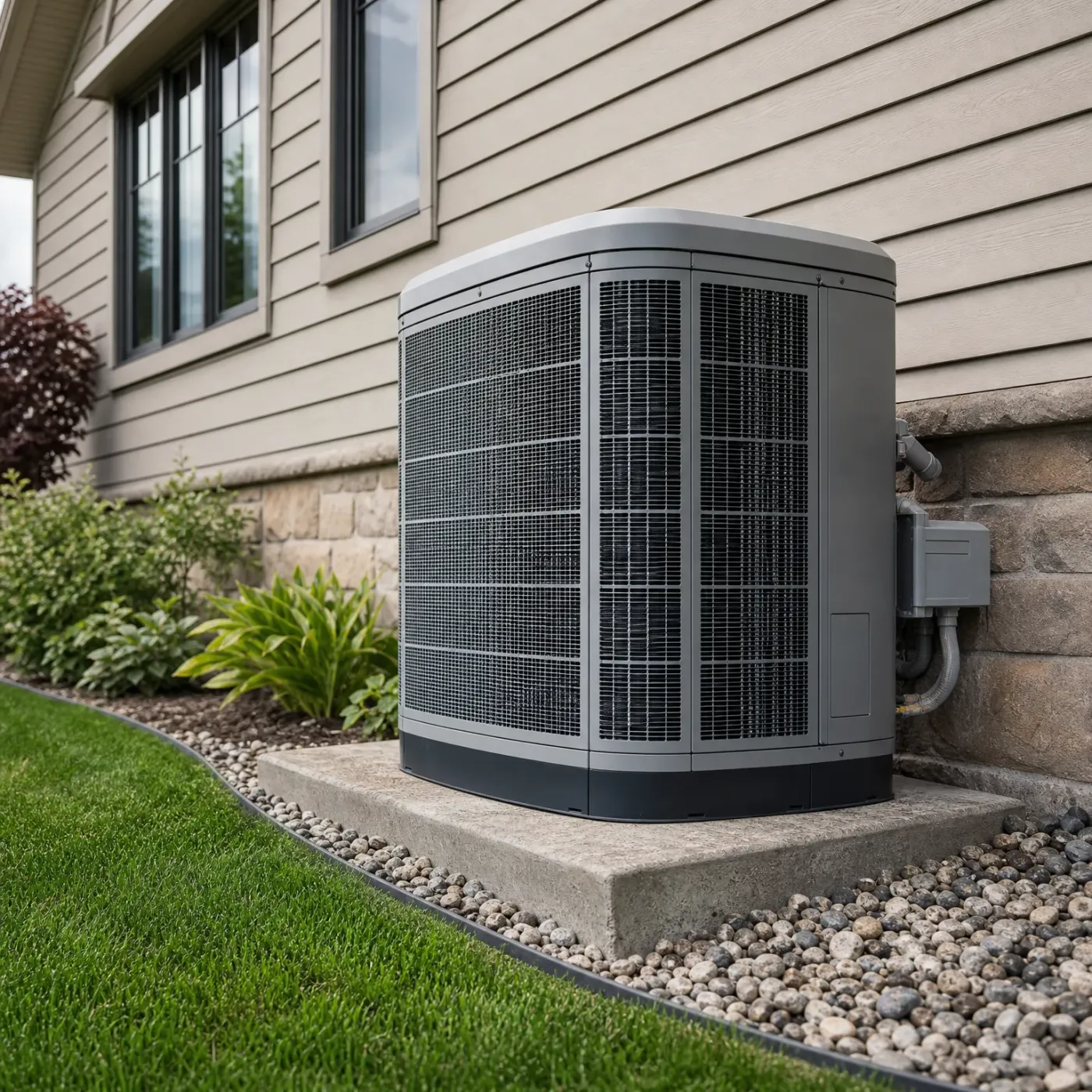
A gray outdoor condenser unit on a concrete pad beside a house with horizontal lap siding, with a wall-mounted disconnect box, conduit and insulated refrigerant lines, a shrub at left and gravel at right.
A heat pump running a normal cycle holds steady, usually ten minutes or more, before it shuts off on its own.
An outdoor condenser unit on a concrete pad beside a horizontal-sided house, with insulated refrigerant lines running to a wall-mounted box, surrounded by bare dirt.
An older unit like this one often short cycles because age has worn down the parts that used to hold a full cycle.
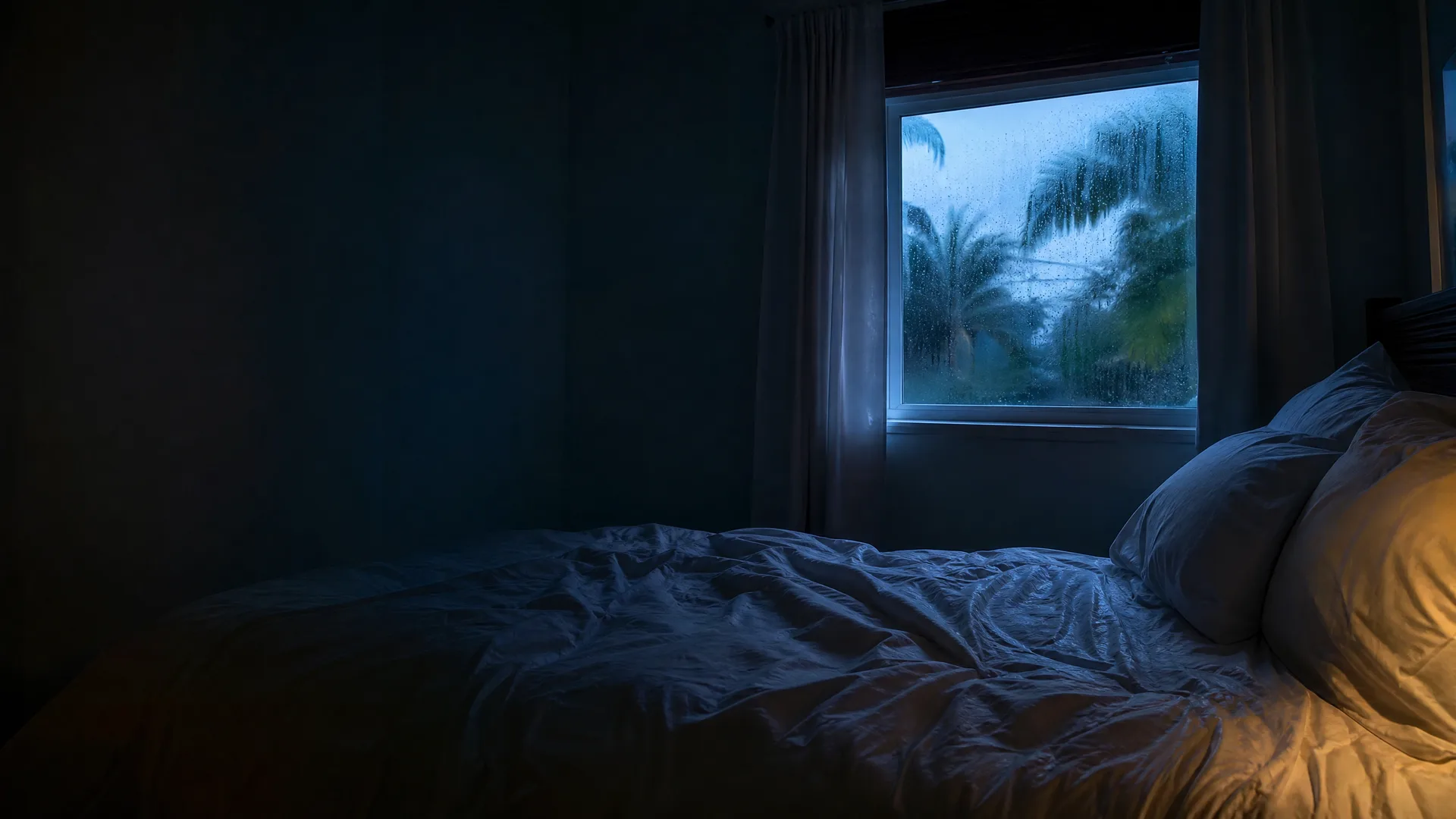
A dark bedroom with an unmade bed and pillows beside a curtained window showing rain-streaked glass and palm foliage outside.

The thermostat still reads 74 but you're sweating through the sheets again. It's past midnight and the heat pump outside clicks on, you hear the compressor spin up through the wall, and five minutes later it goes quiet. Then nothing for a while. Then it starts again. You've stopped counting how many times tonight. The window's fogged a little at the bottom edge from the swamp cooler effect of warm air hitting the glass, and the room never quite catches up to cool. You push the sheet off, turn the pillow over, listen for the next click. Outside, August in Montana isn't letting up before sunrise.


Fix It Now or Let It Ride

Fix It Now

  • A contractor can check refrigerant charge and airflow before a frozen coil or a cracked compressor turns a short visit into a long one.
  • Short cycling wears down the start components every time the compressor kicks on, so the sooner it stops, the less gets worn out.
  • Montana winters put real heating load on a heat pump even with gas as backup, and a unit shutting off early isn't covering that load.
  • Catching it early usually means one part gets replaced instead of several, since a bad capacitor or stuck relay can take out other parts if it keeps cycling.
  • A unit that short cycles is already telling you something specific is wrong, so there's a clear problem to point a contractor at.

Let It Run

  • Waiting means living with a thermostat that never quite settles and a system that hums on and off instead of holding steady.
  • The part causing it, whether that's the charge, a sensor, or a safety switch, doesn't fix itself and usually gets worse under continued cycling.
  • With power cheap here, the extra electrical cost of a struggling compressor may not show up fast on the bill, which makes it easy to ignore.
  • Gas heat backs up most homes here, so a short-cycling heat pump might not leave you cold, but it still isn't doing its job.
  • The longer it short cycles, the more guesswork there is later for whoever diagnoses it, since repeated cycling can mask or mimic other failures.
  1. Thermostat calls for cooling and tells the compressor to start.

  2. Compressor starts, but pressure in the coil climbs too fast.

  3. Control board reads that pressure as a freeze or fault risk.

  4. Board cuts power to the compressor to protect the coil.

An outdoor air conditioner condenser unit on a concrete pad beside a house with horizontal siding above a concrete block foundation, with insulated refrigerant lines and a vertical white pipe on the wall.
Before you get your heat pump repair
A gray outdoor condenser unit sits on a concrete pad against a house wall with horizontal siding above a stone veneer base, with an electrical disconnect box and conduit on the wall and a leafy shrub in mulch to the left.
After you get your heat pump repair
A gray outdoor condenser unit on a concrete pad beside a house with horizontal lap siding and a stone foundation, with a lawn, shrubs and decorative gravel nearby.

A heat pump pro near you

Describe what your heat pump is doing once, in one form.

A local pro who knows heat pumps gets your details and gets in touch.

Skip the search

Asking costs nothing, and the choice to hire stays yours.

Power costs 12.99 cents per kilowatt-hour statewide

At 12.99 cents a kilowatt-hour, every short cycle still costs you, since the compressor draws the most power in those first few minutes of startup. A unit that won't hold a cycle is starting over and over, and that adds up on the bill even with cheap power.

EIA-861 2025 statewide residential average

What a dry Montana summer hides

Low humidity means the air in your house dries out fast, so a heat pump here spends less time pulling moisture and more time just cycling on temperature alone. That changes how short cycling shows up. In a muggy climate a short cycle still pulls some water out of the air before it quits. Here it doesn't, so the only job the cycle had was cooling the room, and if it shuts off in a few minutes that job isn't done. The thermostat ends up calling for cooling again almost right away, which is part of why the pattern repeats quickly once it starts.

Why gas heat changes the picture

Most homes in Montana heat with a gas furnace and use the heat pump mainly for summer cooling, so the compressor doesn't run through a hard winter the way it would if it carried the heating load too. That means fewer total hours on the compressor each year, but it also means a short cycling problem can sit unnoticed for months between cooling seasons. A refrigerant leak or a weak run capacitor doesn't get worse on its own while the unit sits idle, but it doesn't get better either. The first hot week of the year is often when a problem that started last summer finally forces the issue.

A bearded man in a plaid flannel shirt stands indoors looking out a window at snow-covered conifers, with a ceramic mug on the wooden sill and wooden cabinets behind him.
A bearded man in a navy T-shirt sits on a light-colored couch indoors, smiling while looking down at a laptop screen in the foreground, with a framed picture and a potted plant blurred behind him.
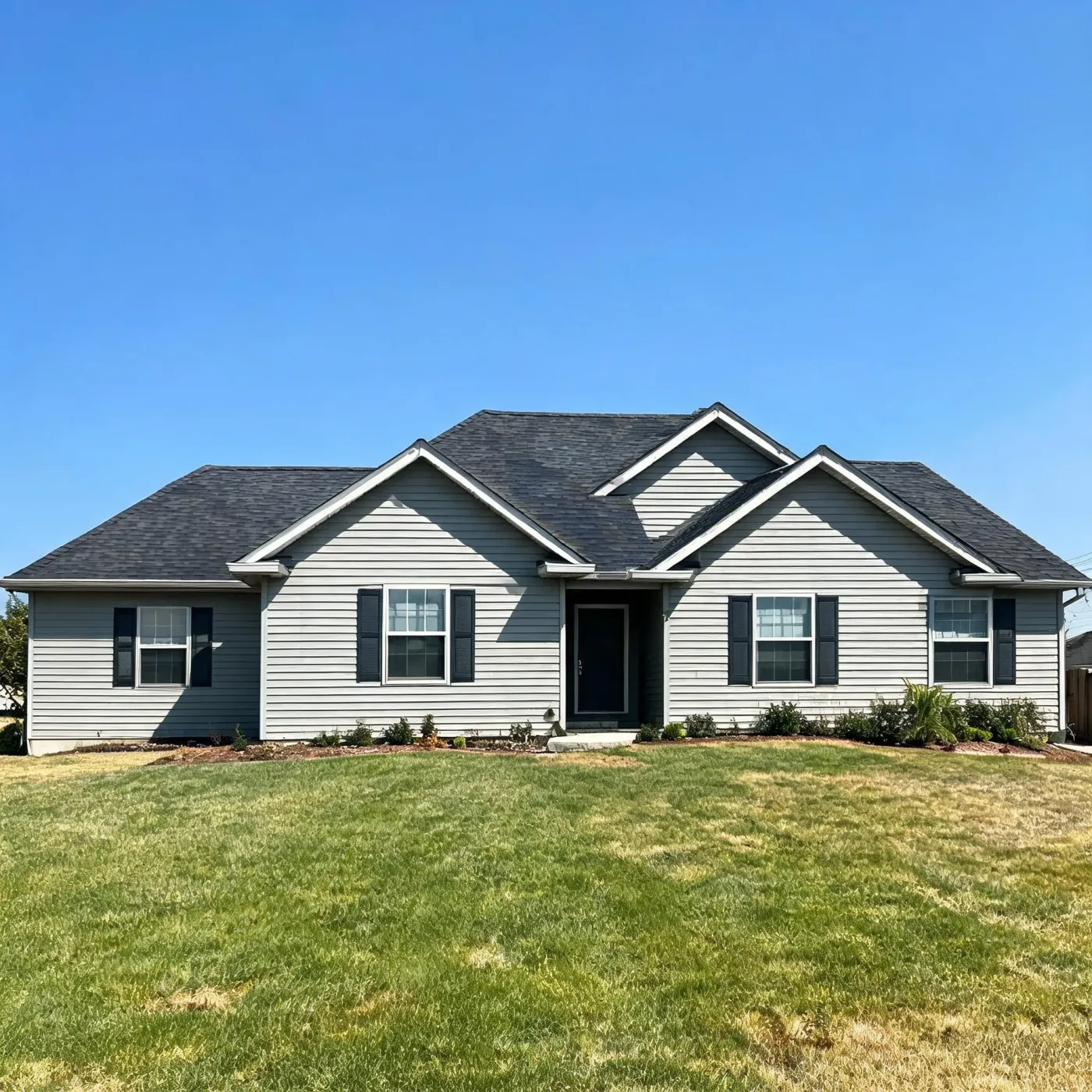
A single-story house with light gray horizontal siding, dark gray shingled gables, black shutters and a dark front door, fronted by a mulched bed of small shrubs and a large lawn under a clear blue sky.

Montana summers run dry, and the average dew point across June, July and August is only 44°F, according to NOAA climate data. That dry air means your heat pump isn't working to pull moisture out of your house the way it would somewhere muggy. It's cycling mostly on temperature. That matters for short cycling because there's no humidity load to stretch a run out. If the thermostat or airflow is already pushing the unit toward a short run, dry air won't counteract it. You'll feel it as a house that cools fast but never quite feels steady, with the outdoor unit clicking on and off more than it should.

NASA POWER T2MDEW county cells weighted by homes

Can a bad capacitor make my heat pump short cycle?

You had a capacitor fail before on something else in the house, or a contractor mentioned it once, and now you're wondering if that's what's cutting your heat pump off early instead of a sensor or a charge problem. You want to know if it's worth asking about specifically before someone comes out.

Yes, a weak capacitor can cause short cycling

The capacitor gives the compressor motor the jolt it needs to start and keeps it running smooth once it's going. When it weakens, the compressor struggles to start, draws too much current, and trips its own overload protection within a minute or two. The unit shuts off, cools down, and tries again a little later, which looks exactly like short cycling from the thermostat room. The difference shows up at the outdoor unit: a bad capacitor often makes the compressor hum or click without starting at all, or start with a noticeable delay. A contractor can test it with a meter in a few minutes, and it's a cheap part to rule out before anything else.

A gray outdoor condenser unit sits on a concrete pad beside a house with horizontal lap siding, with a wall-mounted disconnect box and refrigerant lines, mulched beds and a shrub nearby, and a concrete walkway in the foreground.

Running clean

This unit sits on its pad with clear lines and a tidy disconnect box. Nothing blocks the coil, and the conduit runs straight without a kink or a patch. A heat pump kept like this has less reason to trip its safety switch and cut a cycle short.

An outdoor air conditioning condenser unit with dusty coils sits on a concrete pad against light horizontal siding, with an electrical disconnect box and refrigerant lines on the wall and a shrub and mulch at left.

Worn and soiled

Years of dust and grime have built up on this unit's coil, and the ground around it is bare where mulch used to hold moisture back. A coil caked like this can't shed heat the way it should, and that's often what pushes an older heat pump into short cycling.

A woman stands in the open doorway of a white stucco house holding the dark door, facing a man in a black cap and shirt seen from behind in the blurred foreground, with a potted flowering plant beside the entry.

A short cycle always has a reason behind it

A heat pump that won't hold a cycle is telling you something specific. It's a thermostat reading the room wrong, a filter choking the airflow, a weak charge, or a safety switch doing its job. None of those fix themselves, and none of them get better while you wait and watch the thermostat climb back to 74.

You already catch small problems before they turn into bigger ones, which is why you're reading this instead of waiting for the compressor to quit outright. The next step isn't figuring out which of those causes it is on your own, or calling around Montana to find someone who'll show up and look at it. It's getting matched with a contractor who knows this problem and has them reach out to you directly, so you can describe what you're hearing and get someone out to the unit.

A wooden table holding a stone vase with a bare branch, two stacked books and a small dark bowl, beside a window with green foliage outside and a sofa in the dim background.
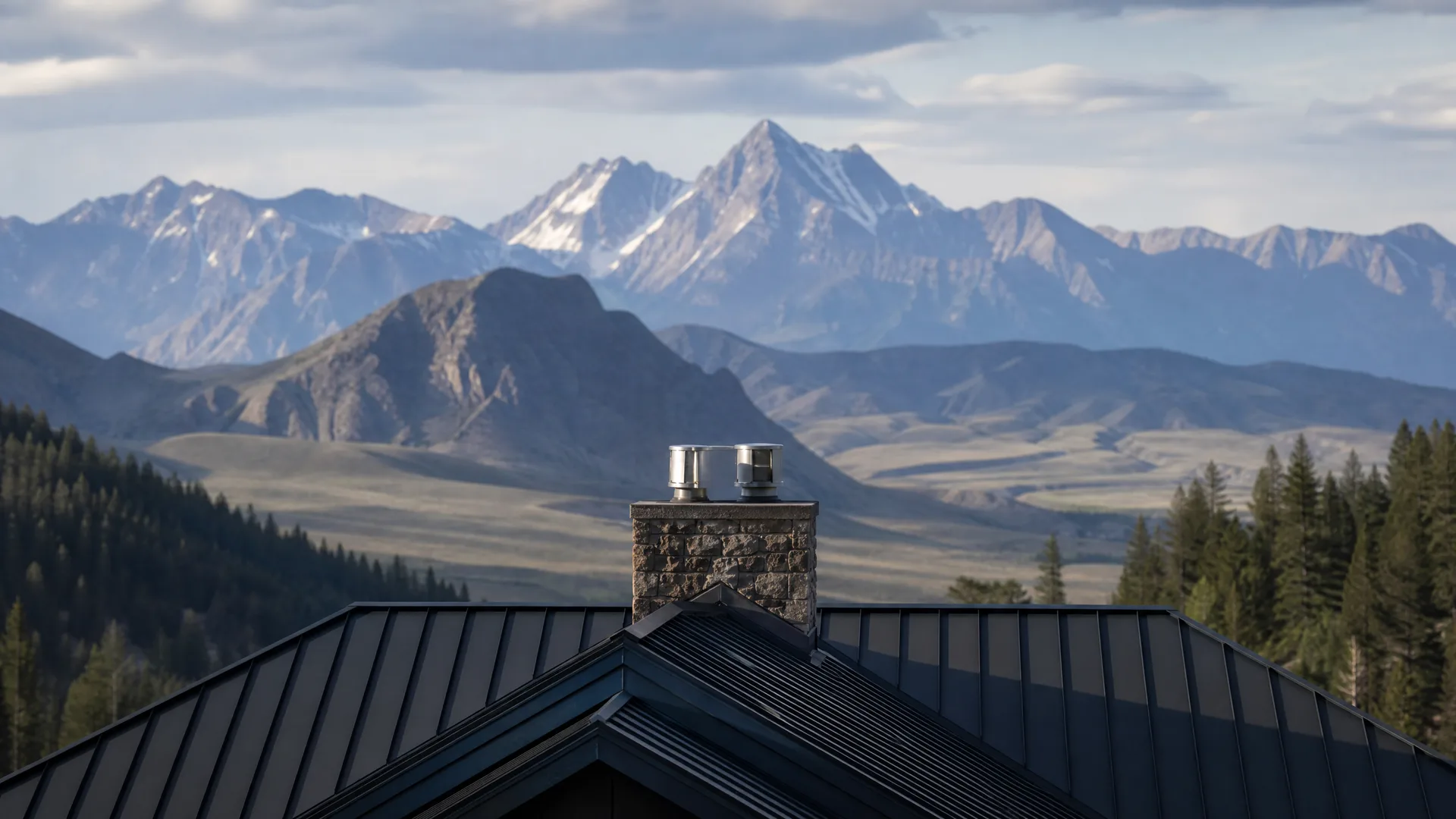
A dark standing-seam metal roof with a stone chimney topped by two metal flue caps, with conifer trees, grassy foothills and snow-streaked mountain peaks in the background.

A local pro for your heat pump repair

Find a heat pump pro

No fee to send it, and nothing to sign.

A heat pump that keeps cutting off short wears its compressor down faster each time it restarts, and that's the part that costs the most to replace. Send the request and a contractor will reach out, so you skip the searching and the back and forth, and get a straight answer before another hot night.