Why your heat pump makes noise in a Montana winter

Get the heat pump repair search off your mind today.

Step 1 of 3: Equipment

A clicking, humming or whooshing sound from your heat pump in winter is usually the defrost cycle doing its job. Montana cold puts frost on the outdoor coil fast, and the system has to pause, reverse itself, and run heat backward through that coil to melt it off before it goes back to warming your house. You'll hear a clunk when the reversing valve switches, then a whoosh of warmer air outside and a hum while the fan slows or stops. That's normal. What's not normal is grinding, rattling, or a buzz that keeps going after the cycle should have ended. Those point to a loose part, a failing motor, or ice that isn't clearing, and left alone they tend to turn into bigger repairs or a system that can't keep up on the coldest nights. If the sound is new, louder than usual, or sticking around, it's worth having someone look before it gets worse.

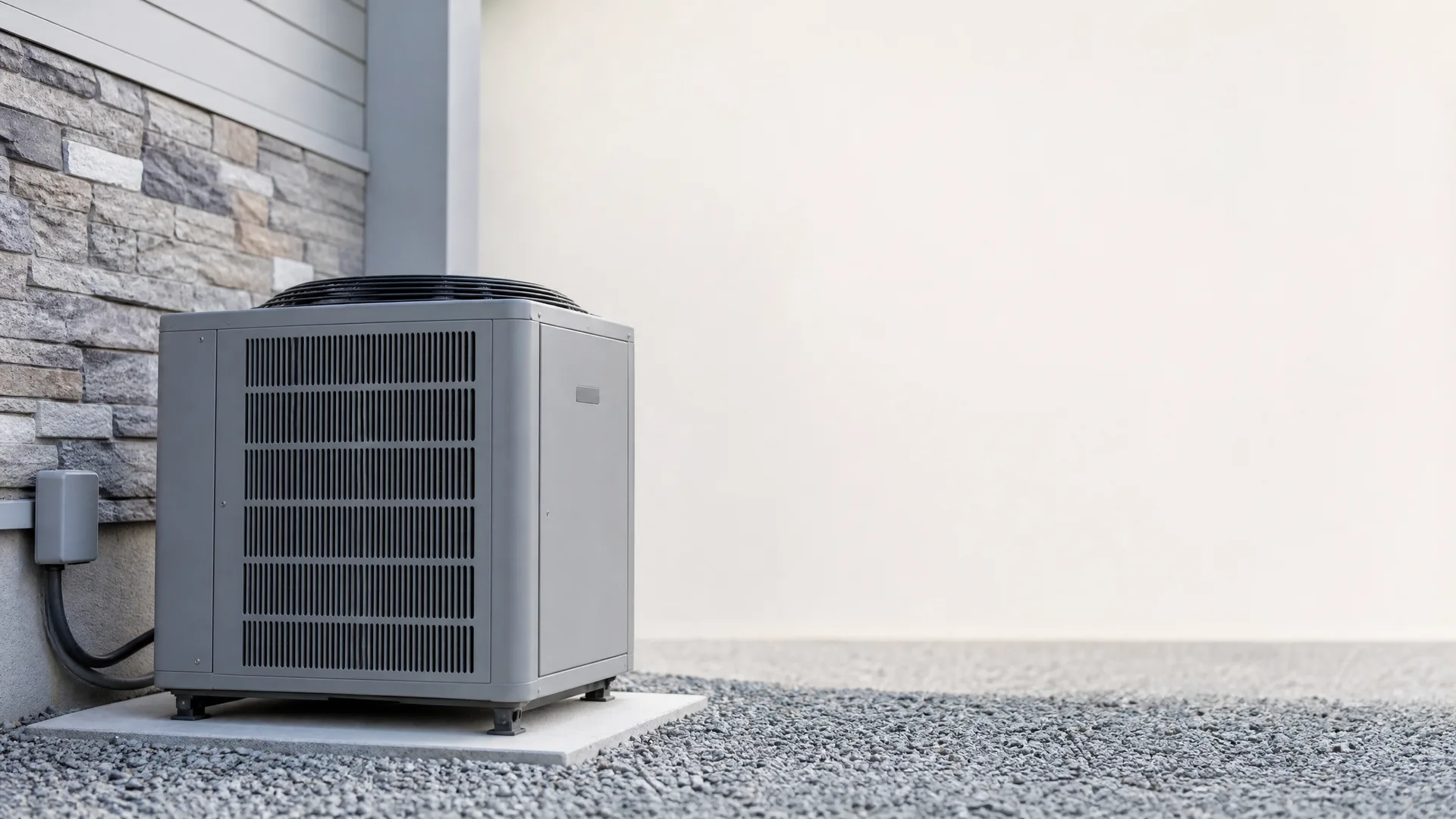
A gray outdoor condenser unit on a concrete pad beside a house with stacked stone and horizontal siding, surrounded by gray gravel and a plain light wall.

What the defrost cycle sounds like

The whoosh you hear is the reversing valve switching the system into cooling mode for a few minutes, just long enough to warm the outdoor coil and shed frost. A hum or click right before that is often the valve itself shifting position. Once the coil is clear, the system reverses again and goes back to heating your house. None of that is the unit struggling. It is the same sequence running the way it was built to, and in a Montana winter it can happen several times a day.

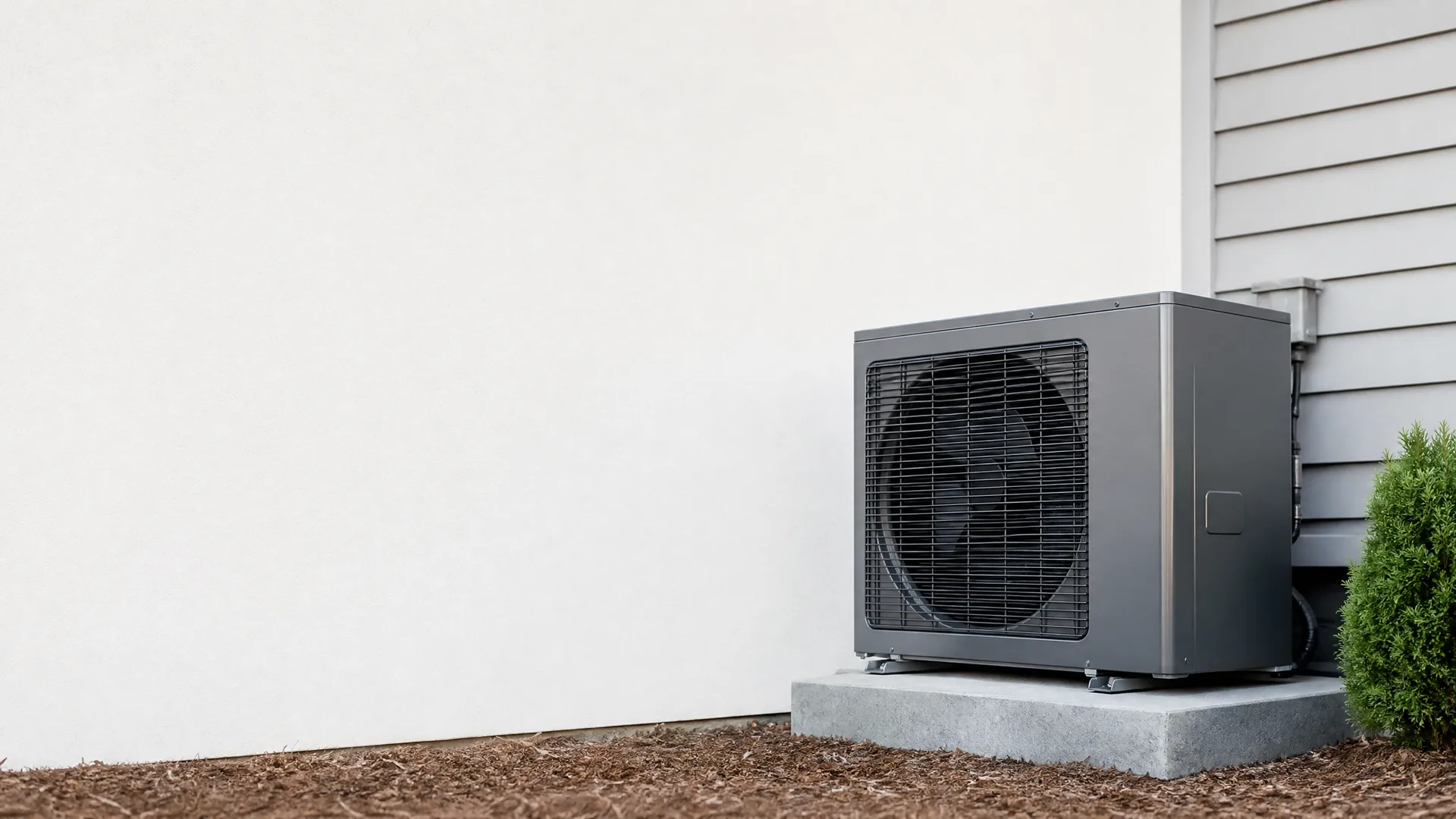
A dark gray outdoor heat pump unit sits on a concrete pad beside a white stucco wall and lap-sided house corner, with mulch and a small shrub in the foreground.

Why the outdoor fan can sound different

After defrost ends, the outdoor fan kicks back on, and for a moment it may sound louder or rougher than usual. That is often just meltwater or loose frost being thrown off the blades as they spin back up to speed. If the fan grinds or squeals instead of this brief rough spin, or the sound continues well past when the cycle should have finished, that points to something worth having a local contractor look at before it turns into a bigger repair.

Is the noise your heat pump is making normal for winter

Stand near the outdoor unit on a cold Montana morning and you'll likely hear it cycle through this on its own, a few minutes of whooshing followed by a return to the steadier hum of heating. That pattern is the system managing itself. What's worth paying attention to is anything outside that pattern: a rattle that wasn't there last winter, grinding, or a noise that keeps going well past the few minutes a defrost cycle needs. A unit stuck defrosting, or one that can't finish the cycle and shed its frost, will struggle to put out heat, and the fan or compressor behind that noise is doing more work than it should. Left alone through a Montana winter, that's how a small issue turns into a unit that can't keep up with the cold.

A smiling man in a blue denim shirt over a white tee sits at a light stone kitchen counter with a grey mug and a bowl of oranges and bananas, with pendant lights and shelving behind him.
A smiling bearded man in a grey long-sleeved shirt sits at a kitchen counter with a dark mug, with a dining table, pendant light and glass doors onto greenery behind him.
A bearded man in a dark green knit sweater smiles and looks off to the side while standing at a kitchen counter with a white mug of coffee, with open shelving, a potted tree, and a dining table near large windows behind him.
A man with dark curly hair in a dark green sweater stands smiling and looking to the side in a kitchen with white cabinets, a potted plant, a stone countertop with a ceramic mug, and a dining area with framed art in the background.

Why does my heat pump make a loud bang or shudder in winter

A bang or a shudder is a different sound than the whoosh and hum of a normal defrost cycle, and it's the one that makes people go check on the unit. If your heat pump has been running fine through the cold snaps and then suddenly makes a noise that sounds like metal hitting metal, or the whole cabinet seems to shake for a second, that's worth paying attention to.

A bang usually means the reversing valve is slamming, not sliding, into position

The reversing valve is what switches your heat pump between heating and defrost. When it's working right, it slides over quietly. When the pressure on both sides of the valve isn't balanced the way it should be, it can slam into place instead, and that's the bang you hear. A shudder right after often comes from the compressor taking on liquid refrigerant it wasn't built to handle, which can happen if the defrost cycle isn't clearing the outdoor coil fully before the system switches back to heating. Montana's hard freezes put more strain on that valve and that coil than a milder winter would. A bang that happens once might be nothing. One that repeats is worth having a contractor look at before the valve wears out from it.

A two-story cream-colored house with horizontal siding and a gray hipped roof, flanked by large green trees and shrubs, with a concrete walkway crossing a lawn to a wet street in the foreground.

Montana summers run dry. Averaged across homes here, the dew point sits at 44°F through June, July and August, which is NOAA's way of saying the air carries little moisture even on hot afternoons. That matters for a heat pump because a dry coil frosts differently than a humid one, but it doesn't change what you're hearing now. Winter is a separate season for this system, and the clicking or whooshing from the outdoor unit is the defrost cycle, not a leftover from summer. If it's bothering you or sounds off from what's described above, send the form and you're done with the search for someone to look at it. A local contractor who services heat pumps through Montana winters takes it from there, and you're only hearing from the one.

NASA POWER T2MDEW county cells weighted by homes

Hand off the heat pump problem

The pro who reaches out is licensed in Montana.

No charge to send it. You decide if you hire them.

Running it through a defrost cycle or calling it in

If the sound is the whoosh and hum pattern and it clears on its own in a few minutes, there's nothing to fix. The system is doing what it's built to do. You can watch it happen once, confirm the pattern, and go back inside knowing what that sound means next time. No part wears out from a normal defrost cycle, and no repair changes how often it runs. Montana cold means it'll keep happening on and off through the winter, and that's fine.

When it's worth having someone look

A bang, a shudder, a noise that doesn't stop after a few minutes, or one that shows up on a cycle that used to run quiet is a different matter. Those point to a part working harder than it should, and parts that work harder than they should tend to fail sooner rather than later. A local contractor who services heat pumps through Montana winters has heard both versions enough times to tell them apart fast and knows which part on your unit is usually behind it. Sending the request puts that call in someone else's hands, not yours.

An outdoor air conditioner condenser unit on a gray composite pad beside a house with horizontal lap siding, with refrigerant lines and a conduit running to a wall-mounted disconnect box, and a shrub at left.
Before you get your heat pump repair
A gray outdoor condenser unit on a raised pad beside a house with horizontal lap siding, with refrigerant lines, conduit and an electrical disconnect box on the wall, and shrubs on a mulch bed to the left.
After you get your heat pump repair
A gray outdoor heat pump unit with a large fan grille sits on a concrete pad beside a house with horizontal lap siding, next to a green shrub, mulch bed, and lawn.

The unit cycling clean

The coil and grille stay clear, the pad is level, and the line set runs straight into the wall. A unit kept like this moves through defrost fast because frost has less to grab onto, and you'll hear the whoosh end within a few minutes most mornings.

A weathered outdoor condenser unit on a concrete pad beside a house with white horizontal vinyl siding, with refrigerant lines and conduit running to a wall-mounted electrical box.

The unit worth a look

Grime packed into the grille and years of weather on the cabinet slow a coil down. Frost builds heavier on a dirty coil, so defrost runs longer and the bang or shudder shows up more often. That wear is also what a repair visit checks first.

Power costs 12.99 cents per kilowatt-hour statewide

At 12.99 cents a kilowatt-hour, running that defrost cycle a few extra minutes on a cold morning barely moves your bill. What costs you is a bang or a shudder that means a part is struggling, since a heat pump working harder than it should pulls more power the whole time it runs.

EIA-861 2025 statewide residential average

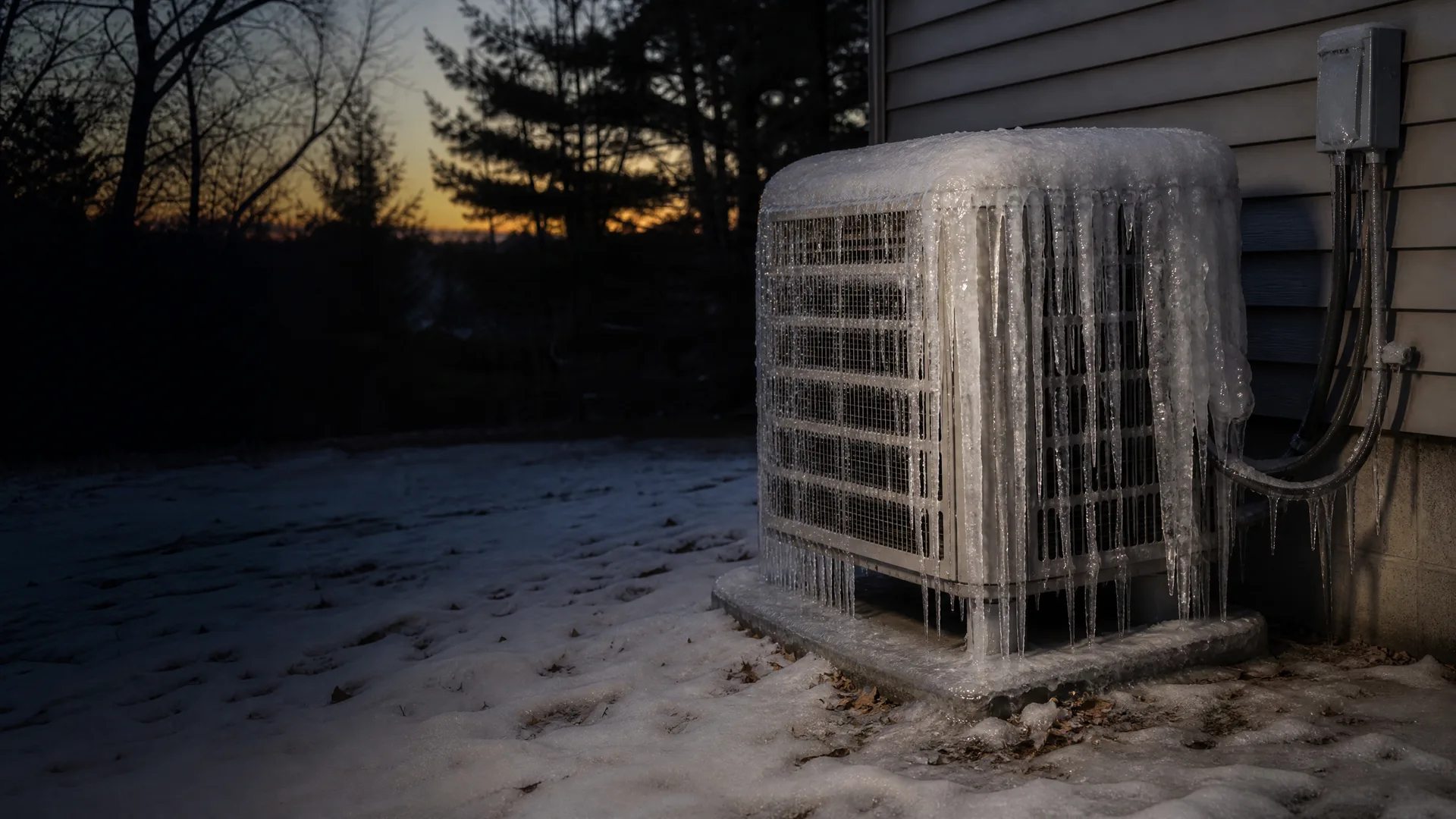
An outdoor air conditioning or heat pump unit encased in thick ice with hanging icicles, standing on a concrete pad beside a house with horizontal siding and an electrical box, with snow on the ground and a dusk sky behind bare trees.

You go out for the mail a little after seven and the sun is barely up over the yard. The grass is stiff and white. Your heat pump sits against the fence where it always has, and this morning the whole cabinet is wearing a shell of ice, thick over the coil, thick across the top panel. You can see your breath. The fan isn't turning. No hum, no whoosh, nothing. Just the tick of it sitting there cold and still under all that ice, the kind that usually melts off in a few minutes and didn't this time. You stand there a second, coffee going cold in your other hand, and head back inside to call someone.

A gray outdoor condenser unit on a concrete pad beside a white horizontal-siding house, with refrigerant lines and conduit running to a wall-mounted disconnect box, bare soil in front and a green shrub at left.
The fins are clean, the grille is clear, and air moves through the coil without a fight.
An outdoor air conditioning condenser unit on a concrete pad beside a house with light horizontal siding and a concrete block foundation, with bare soil and small green plants around it.
Dust and grime pack the fins and grille, and the unit has to strain to pull air through them.
A smiling man in a dark blue T-shirt sits on a light gray sofa in a living room with a wooden shelf and window behind him, with a laptop edge visible in the foreground.
A bearded man in a plaid flannel shirt sits indoors looking out a window at snow-covered trees, with a steaming mug on the sill and wooden kitchen shelves behind him.

What the noise tells you

  • A steady whoosh and hum that clears in a few minutes is the defrost cycle, and it needs no call.
  • A bang, shudder, or a sound that keeps going past the cycle is a part struggling, and that one is worth a call.
  • The pad underneath, the coil, and the line set all affect how clean that defrost cycle runs through a Montana winter.
  • A tech who works heat pumps through Montana winters every year knows which part usually gives out first.
  • One licensed local contractor takes the call, so you're not sorting through a pile of competing bids.
  • Catching the shudder early keeps it from turning into a bigger repair once the cold settles in for good.

A heat pump in a Montana winter is going to make noise. Most of what you hear is the defrost cycle doing exactly what it was built to do: whoosh for a few minutes, settle back into a hum, melt the frost off the coil, move on. That sound pattern repeating morning after morning through a cold snap is not a problem. A bang, a shudder, or a sound that doesn't let up once the cycle should have finished is different. That's a part telling you it's struggling, whether that's the reversing valve, the defrost control board, or something else in the system working harder than it should. The pad under the unit, the condition of the coil, and the line set running into the wall all play into how clean that cycle runs, which is why two units sitting a few feet apart can sound different on the same morning. If what you're hearing has crossed from normal into the second category, the person you want looking at it is someone who hears this same thing on heat pumps all winter in this state and already knows which part tends to go first. That's one local contractor, licensed to do the work, looking at your unit specifically, not a handful of companies competing for the job. Getting the shudder checked while it's still a shudder is what keeps it from turning into a bigger repair once the cold settles in for the season and the system has no choice but to keep running.

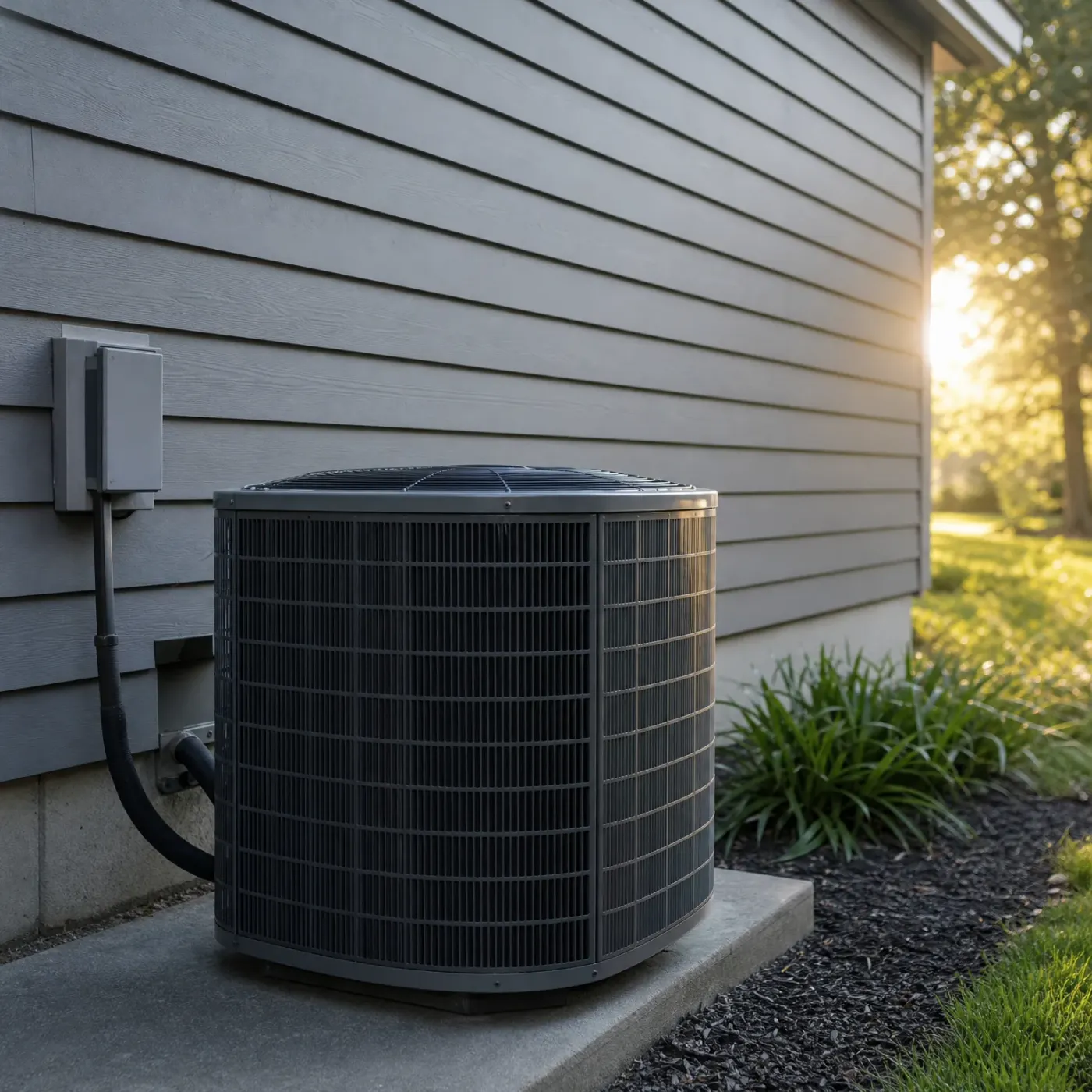
An outdoor air conditioner condenser unit on a concrete pad beside a gray horizontal-lap-sided house, with an electrical disconnect box and refrigerant line on the wall, grass, shrubs and a tree with low sun behind.

Send one request and you're done looking

Get a licensed local pro

Only one pro gets your request, so you hear from one company.

There's no charge for the request.