Tell us about the job
Takes about a minute. No obligation.
A contractor quoting heat pump repair in Lincoln County starts by looking at the components that carry the heating load: the reversing valve, the defrost board, and the refrigerant circuit. Homes in Lincoln County, MT run heat about ten months a year, from September through June. Cold outdoor air forces the heat pump to work harder to extract heat, and that sustained strain shows up in worn contactors, coil damage, and refrigerant leaks long before those same parts would fail in a mild climate. The defrost cycle runs often through those months, and a faulty defrost board is one of the first things a contractor checks when the system is losing efficiency late in winter.
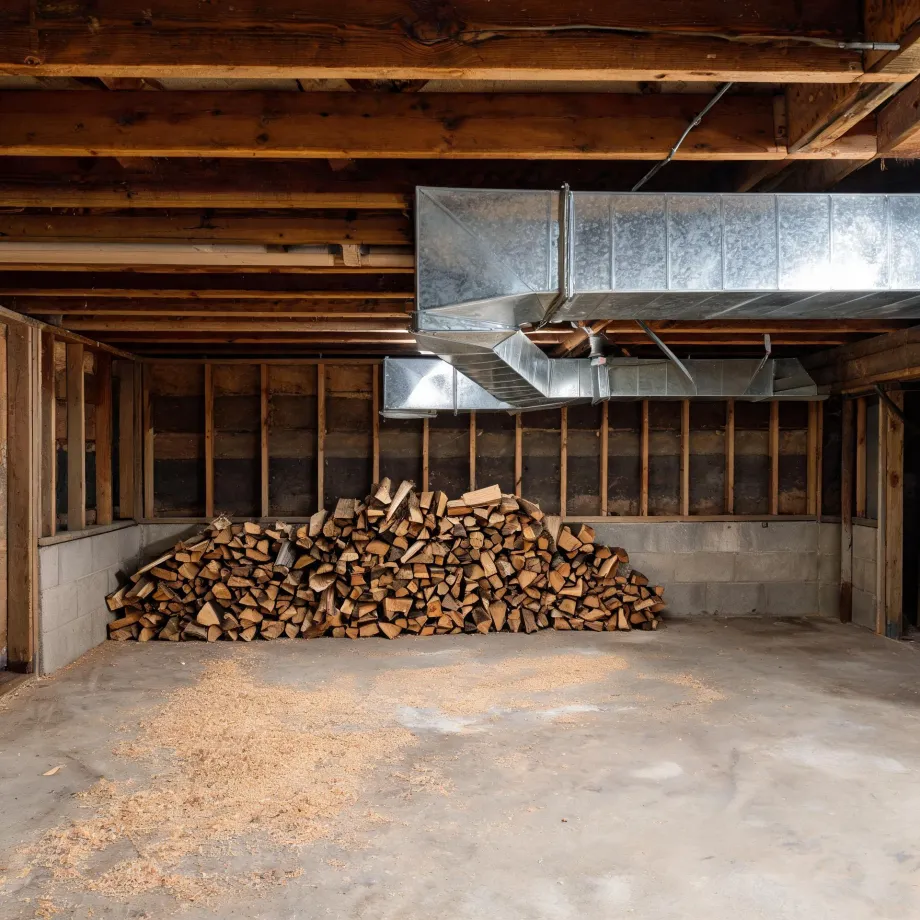
Ductwork and wiring laid down for an older generation of heating systems carry a heat pump differently than they would carry what they were built for. Half the homes in Lincoln County, Montana were built in 1982 or earlier (2020-2024 ACS 5-year). A contractor opening a heat pump in a house like this is looking at refrigerant lines that may have been spliced or rerouted more than once, electrical connections that have worked hard for a long time, and compressor internals that reflect what the system has been asked to do inside that specific house. Parts availability is a real variable at this age of stock. What a contractor finds once the unit is open sets the repair scope, and the bill follows from that, not from any estimate made before the panels come off.
The Parts of a Heat Pump a Contractor Checks During Repair
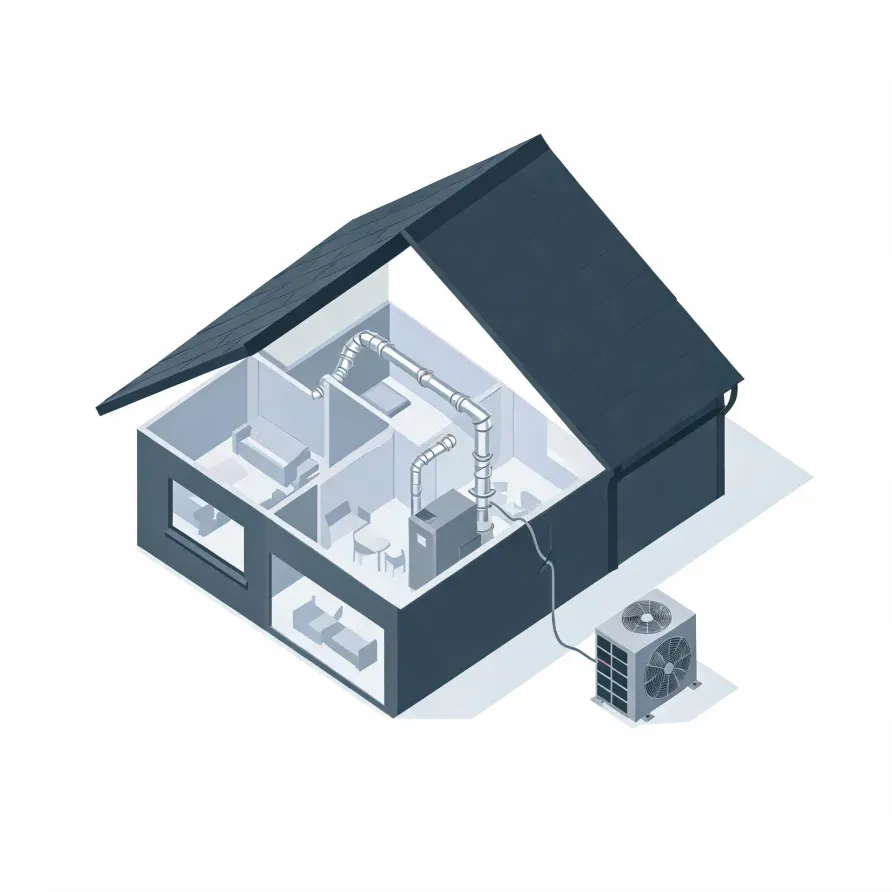
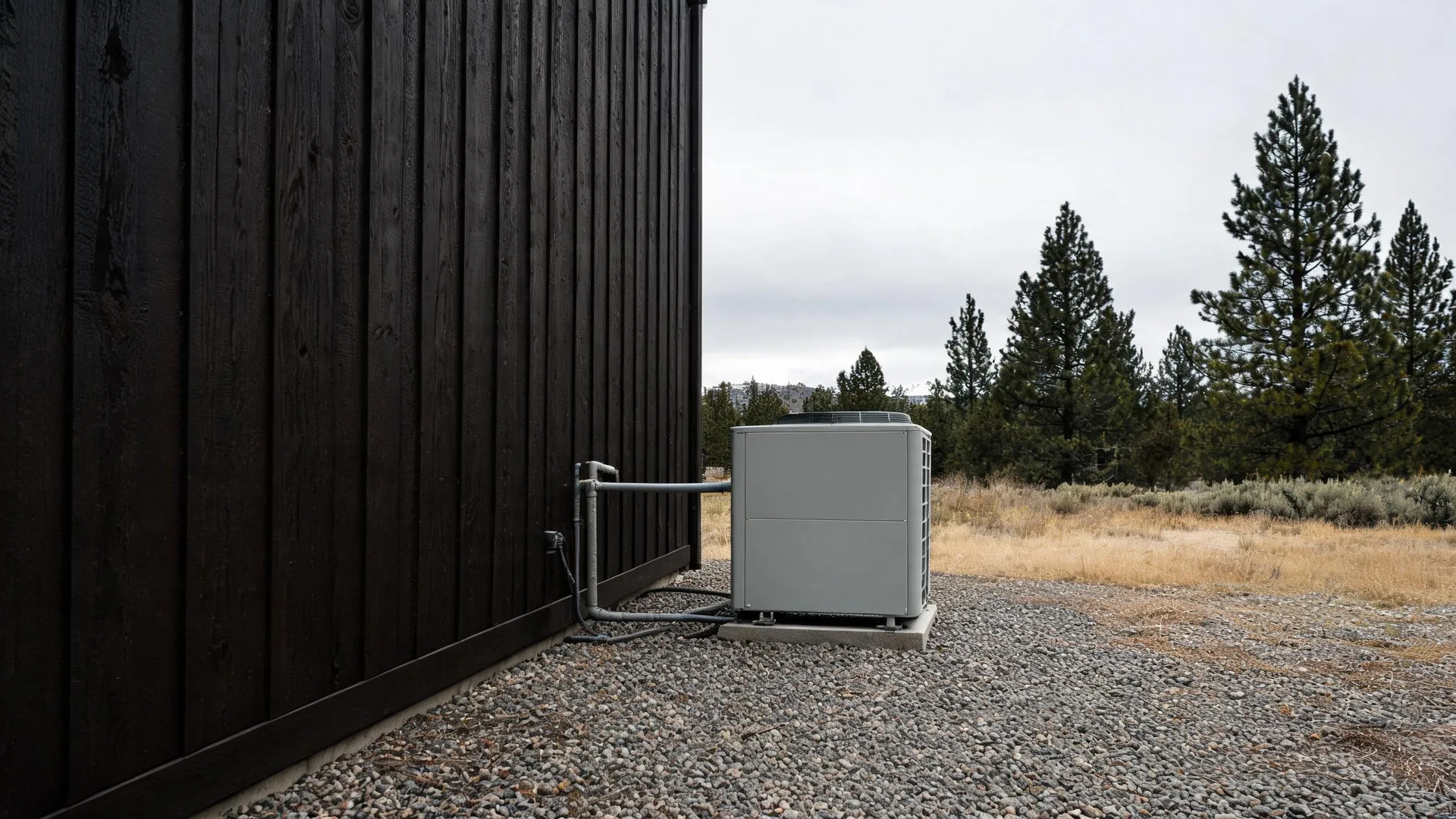
The outdoor unit is the piece most homeowners recognize, a metal cabinet sitting on a pad beside the house that holds the compressor and the outdoor coil. The compressor is where most repair calls start. The indoor air handler, mounted inside the home, holds the indoor coil and the blower that moves conditioned air through the house.
A refrigerant line set runs between the two units, carrying the refrigerant that makes the whole system work, and a contractor will inspect it for leaks or damage during any repair visit. The reversing valve, which sits inside the outdoor unit, is what lets a heat pump both heat and cool, and it is a common point of failure when a system runs in only one mode.
The drawing shows a general layout of these components, and a licensed contractor determines exactly what applies to your home and system.
Find a contractor in Lincoln CountyLincoln County, MT, by the numbers
56 severe weather events were recorded in Lincoln County, Montana between 2015 and 2024.
NOAA National Centers for Environmental Information, Storm Events Database, bulk CSV export, events 2015-01-01 through 2024-12-31.Half the homes in Lincoln County, Montana were built in 1982 or earlier (2020-2024 ACS 5-year).
U.S. Census Bureau, 2020-2024 American Community Survey 5-Year EstimatesLincoln County, Montana holds 11,006 housing units (2020-2024 ACS 5-year).
U.S. Census Bureau, 2020-2024 American Community Survey 5-Year EstimatesOwners occupy 77.6% of the occupied homes in Lincoln County, Montana (2020-2024 ACS 5-year).
U.S. Census Bureau, 2020-2024 American Community Survey 5-Year EstimatesCodes & Standards Governing Heat Pump Repair in Lincoln County, Montana2 sourced rules and standards
Contractor Rules in Lincoln County, Montana
Montana’s contractor licence does not reach a casual, minor or inconsequential job whose total price for labour, materials and everything else is less than $2,500 — and the exemption is lost if the work is only part of a larger operation, or if a job is divided up to get under the figure.
Montana requires a current construction contractor licence from the Department of Labor and Industry: an individual or business may not engage in business as a construction contractor without one.
Weather Stress on HVAC Equipment in Lincoln County
Heat pumps in Lincoln County work against whatever the local climate delivers, and that workload accumulates over time. Repair frequency and component wear are local facts, not averages, and the weather record here is part of the picture.
56 severe weather events, 2015–2024. Source: NOAA National Centers for Environmental Information, Storm Events Database.